Wound care solutions
Venous leg ulcer management
A holistic approach to complex care
Tip for healthcare professionals:
Log in to unlock additional clinical articles and resources created specifically for HCPs.
Treating venous leg ulcers (VLUs) requires collaboration and a patient-centric approach. Our solutions encompass the products needed as well as education and empowerment. By combining our comprehensive VLU approach with your expertise, an effective treatment can be delivered, leading to better outcomes and improved quality of life for patients.
Discover our venous leg ulcer solutions
Contact our sales team
To create a positive impact, we build mutually beneficial relationships with employees, customers and the people in our communities.
Start your conversation here

Related articles
Read all-
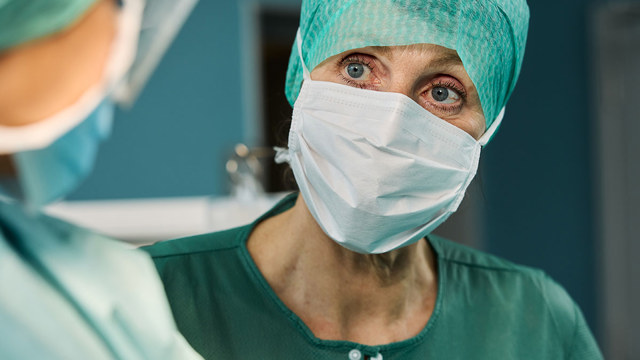
Article|10 min Infections in the operating room
See how protecting yourself, your patients and staff from hospital-acquired infections, also known as healthcare-associated infections, can save on costs and avoid unnecessary additional care when complications occur.
- Infection prevention
- Surgical solutions
-

Article|2 min Support your healing by making the right choices
- Wound cleansing
-
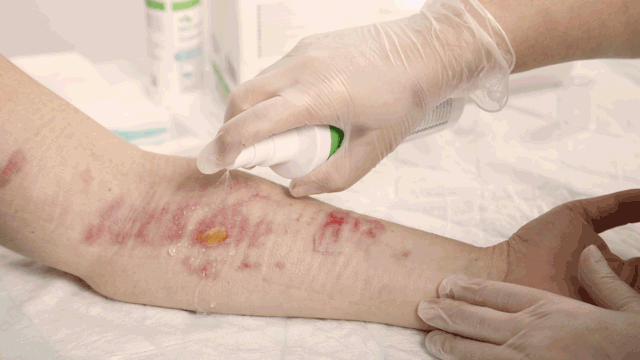
Article|3 min Wound cleansing and irrigation are a prerequisite for healing: how to clean wounds, why it matters, what type of solution to use
Without wound cleansing, which includes irrigation or mechanical rinsing of the wound bed, healing may be severely compromised. This vital aspect of wound care is the first step in promoting the natural healing process.
- Wound cleansing
-

Article|4 min How to look after your wound
What do you need to know to look after your wound at home? This page guides you through the process of changing your wound dressings safely.
- Wound cleansing
-

Article|1 min What can I do to support my venous leg ulcer?
While your nurse or doctor helps you with the right treatment plan for your venous leg ulcer, the choices you make every day at home can support healing. Small, consistent actions and daily choices to help your leg ulcer healing at home will improve your health and wellbeing. Maintaining healthy habits, such as eating and drinking well and staying active, can help reduce the risk of your venous leg ulcer recurring after it has healed.
- Venous leg ulcers
-
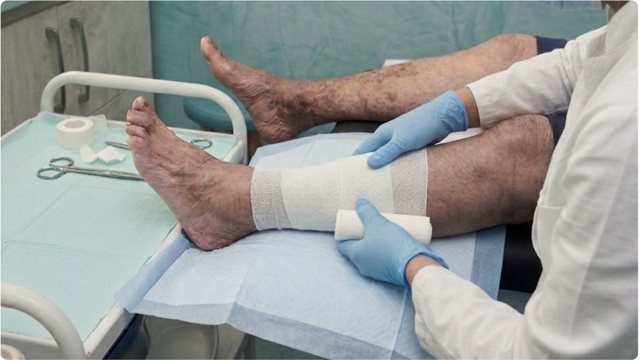
Article|1 min Why compression therapy is important
You may be wondering why you need compression therapy. Compression therapy is a key phase for venous leg ulcer treatment because it improves blood flow, reduces swelling, and helps the ulcer to heal. Wearing your compression therapy as advised by your doctor or nurse can also help reduce the risk of ulcers returning.
- Venous leg ulcers
-
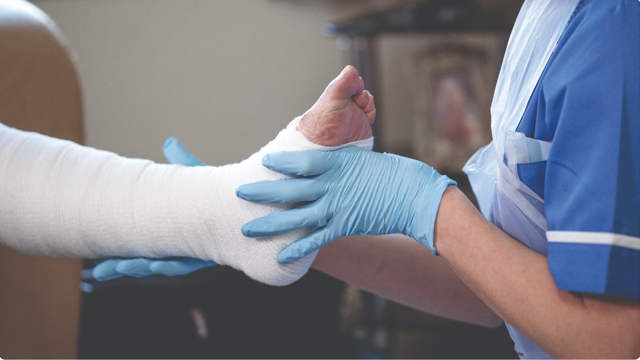
Article|1 min Signs of an infected venous leg ulcer
What is a venous leg ulcer? A venous leg ulcer is an open wound on your lower leg or ancle that hasn't healed after two weeks. It can happen if veins in the legs are weakened. Our veins carry blood back to the heart, with the help of small valves to keep it flowing in the right direction.
- Venous leg ulcers
-
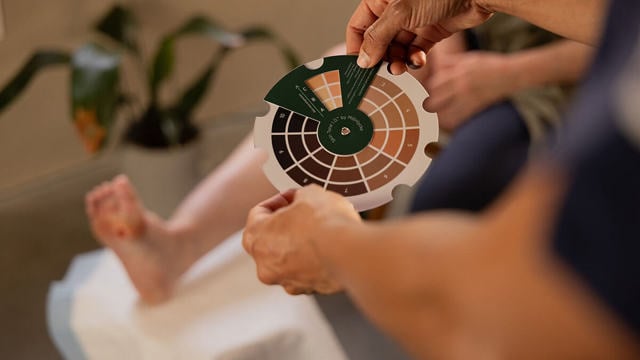
Article|4 min Addressing skin tone bias in wound assessment
The Skin Tone I.D.TM by Mölnlycke® supports accurate skin assessment
- Venous leg ulcers
-
Article|2 min Managing exudate, making laboratory testings clinically relevant
An article from the International Wound Journal highlights the critical role of utilising data from clinically relevant laboratory tests and well-structured clinical studies in the dressing selection process1.
- Exudate management