Learning how to look after your wound yourself can feel overwhelming at first. To help guide your carers and you through the process, this page gives you a step-by-step look at what you need to do at each stage of caring for your wound.
Remember that even if you are looking after your wound at home, it is important to keep in touch with your nurse or healthcare practitioner to make sure your wound has the best chance to heal quickly. They will give you guidance about taking care of your wound properly and safely, while the resources on this page aim to help support you or your carer in changing your dressing safely when your nurse is not able to visit your home.
Prepare for your dressing change
To get started it is important to be prepared with all the materials you need to change your dressing.
-
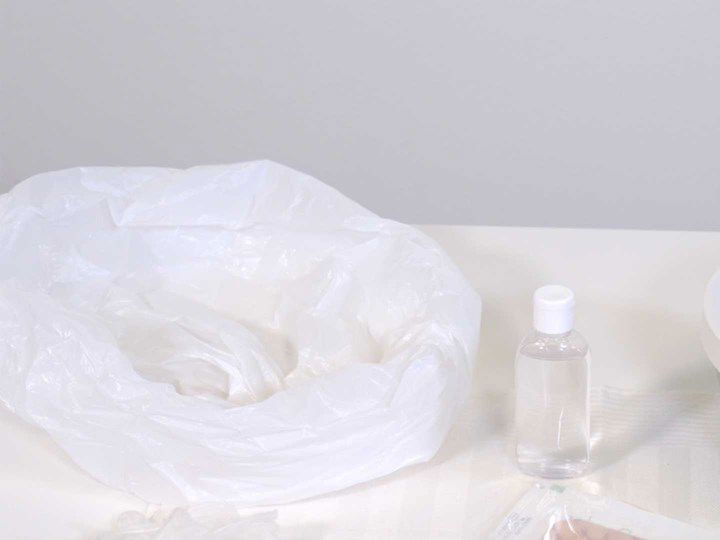
낡은 드레싱과 장갑을 넣을 수 있는 가방이 옆에 있는지 확인하십시오(가능하면 테이프가 있는 가방을 테이블에 고정하십시오).
-
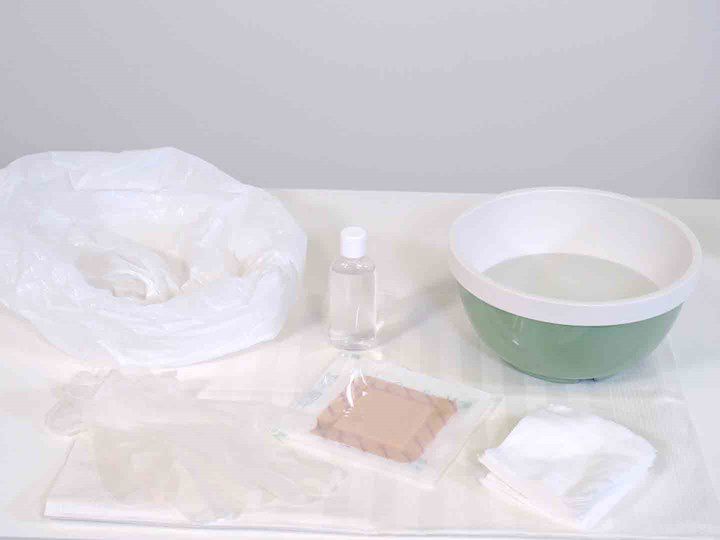
깨끗하고 평평한 표면에 새 드레싱(아직 패킷에 있음), 일회용 장갑(2-3켤레 필요), 손 소독제, 거즈 및 기타 필요할 수 있는 품목으로 드레싱을 변경할 수 있는 공간을 설정하십시오.
-
간호사는 실용적이고 안전한 경우 샤워 중에 상처를 청소하라고 조언할 수 있습니다. 또는 드레싱 탈의실 근처에서 미지근한 수돗물 한 그릇을 사용할 수 있습니다.


Change the dressing
Follow the steps to ensure that you change the dressing properly and safely.
-
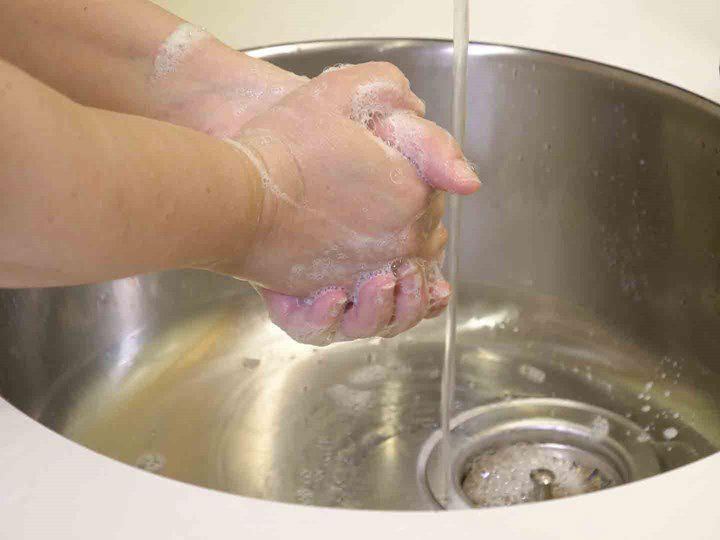
1. 비누와 물로 20초 동안 손을 깨끗이 씻고, 특히 손가락과 손바닥 사이를 씻습니다.
-
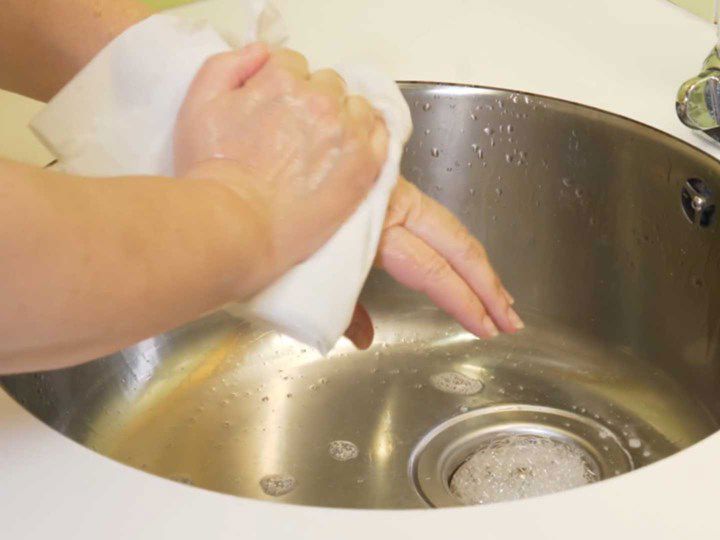
2. 중요: 깨끗한 것으로 손을 말리십시오. -
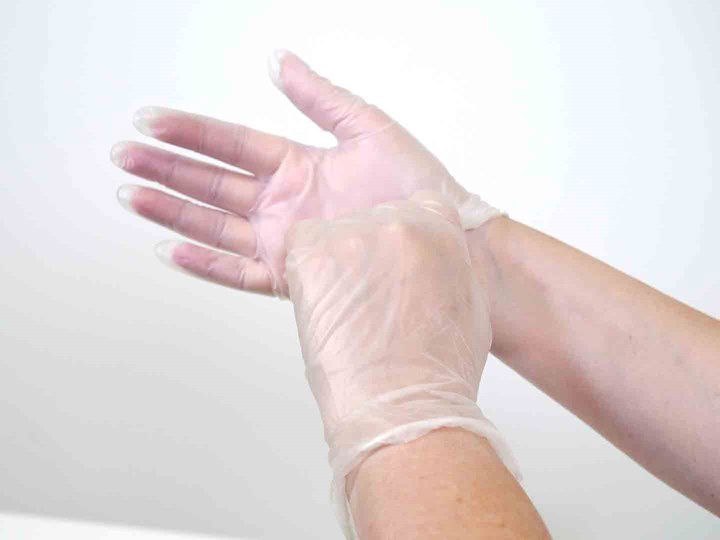
3. 일회용 장갑을 끼거나 손 소독제를 사용하십시오.


Remove the old dressing
-
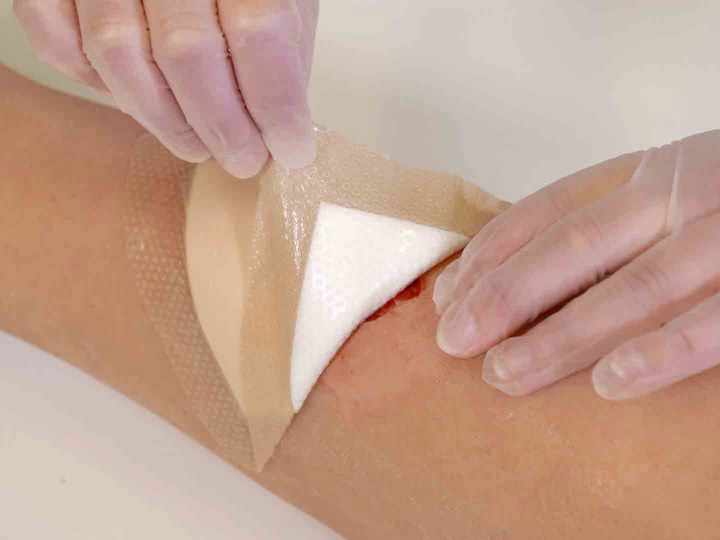
1. 드레싱 위부터 시작하여 피부를 잡고 드레싱의 가장자리를 피부에서 떼어냅니다. 천천히 하고 필요한 경우 미지근한 물을 사용하여 드레싱을 제거하는 데 도움이 됩니다.
-
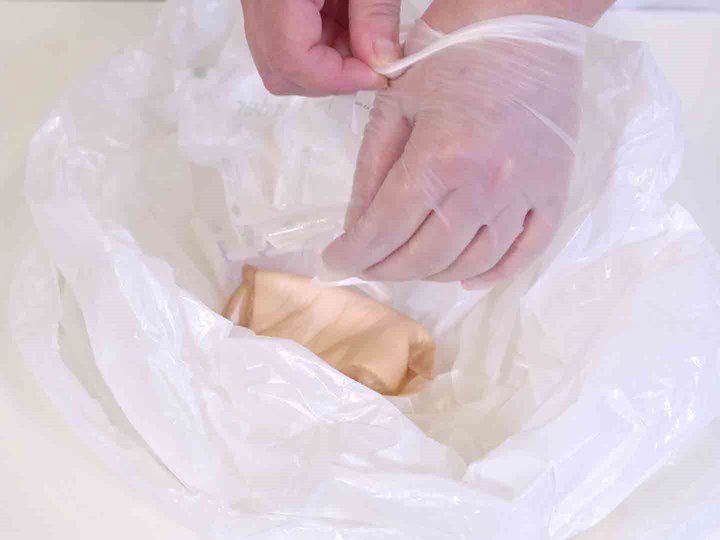
2. 드레싱을 제거한 후 장갑과 함께 가방에 넣습니다.


Clean the wound
-
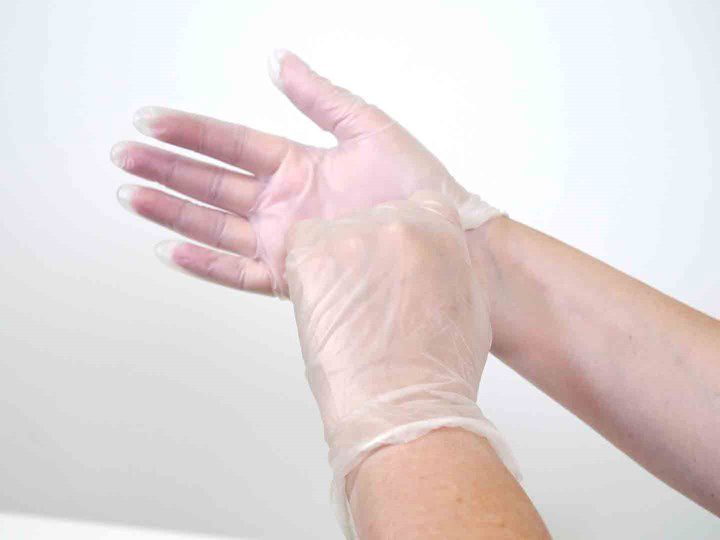
1. 새 일회용 장갑을 사용하십시오.
-
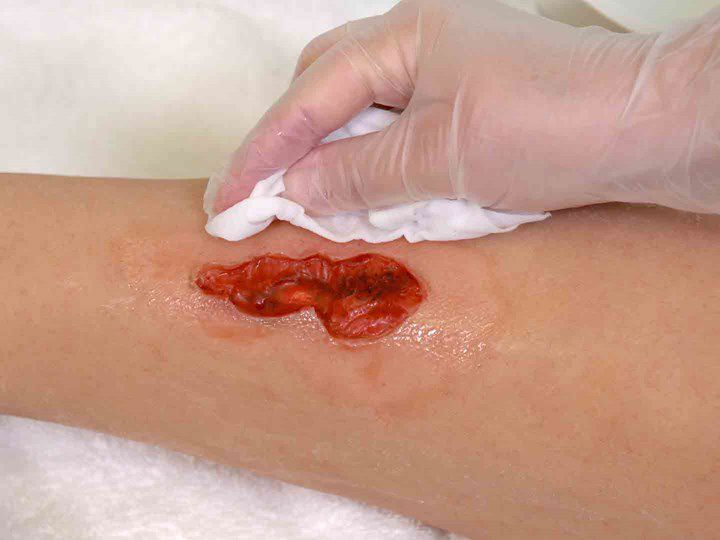
2. 미지근한 물을 사용하는 경우 거즈를 적십니다. 먼저 주변 피부를 청소하십시오.


-
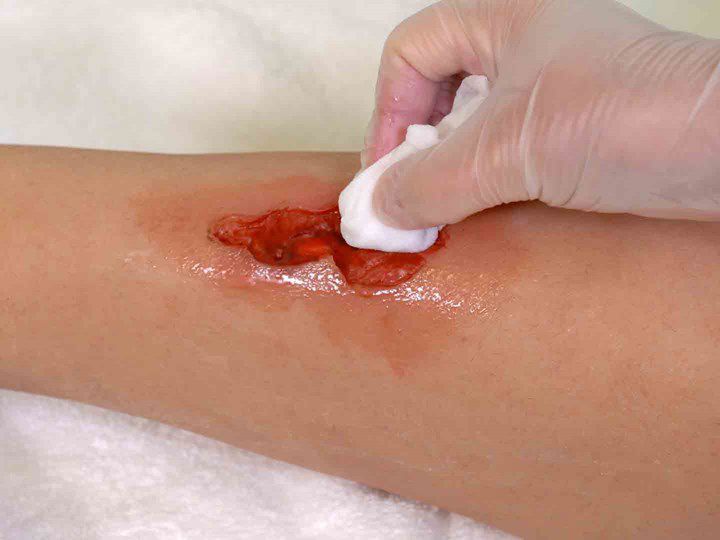
3. 그런 다음 새 거즈를 가지고 상처를 청소하십시오. 안팎으로 청소하십시오. 샤워실에서 세정을 하는 경우 미지근한 물로 상처를 샤워하고 필요한 경우 거즈를 사용하여 상처와 주변 피부를 청소합니다.
-
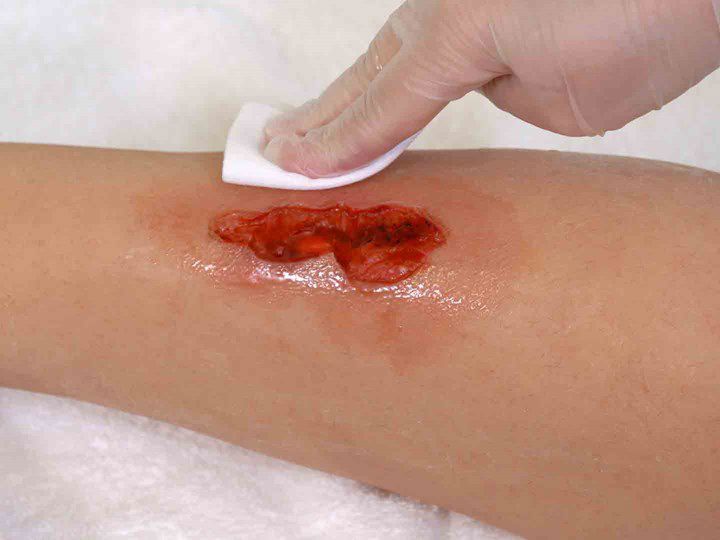
4. 샤워에서 나오면 거즈로 주변 피부를 두드려 건조시킨 후 가방에 넣습니다. 상처를 보세요(모양, 냄새 또는 느낌이 다른가요? 아래에서 주의해야 할 사항에 대한 팁을 참조하십시오). 사진을 찍어 간호사와 공유할 수도 있습니다.


Apply the new dressing
-
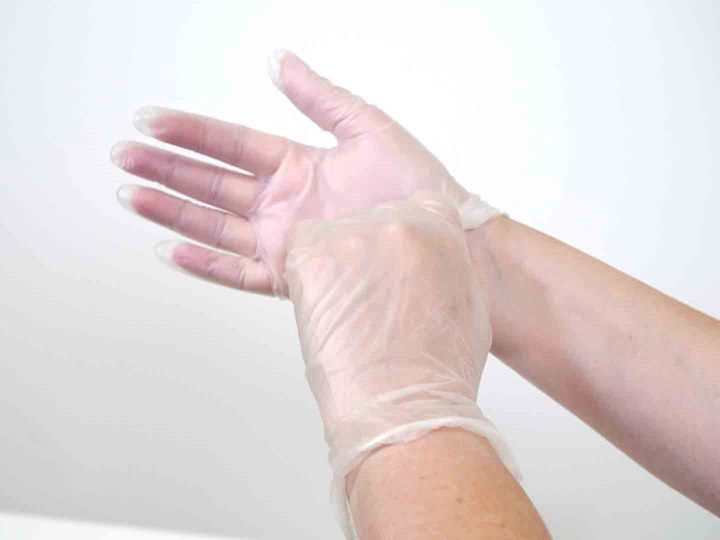
1. 손을 씻고 새 장갑을 끼거나 손 소독제를 사용하십시오.
-
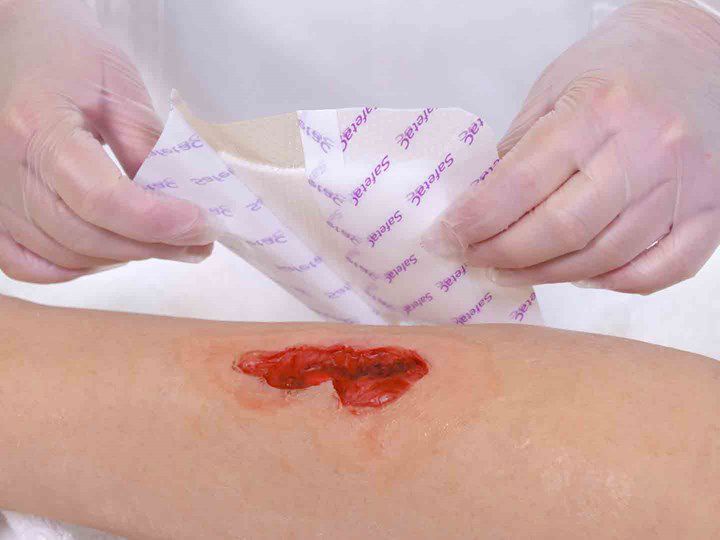
2. 패킷에서 드레싱을 제거하고 절반에서 보호 덮개를 벗겨냅니다.
-
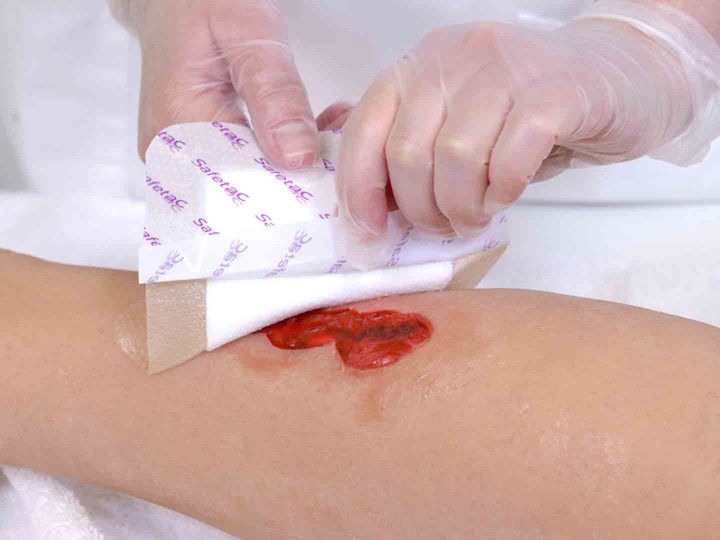
3. 보호 덮개가 있는 면을 상처와 주변 피부에 대십시오.


-
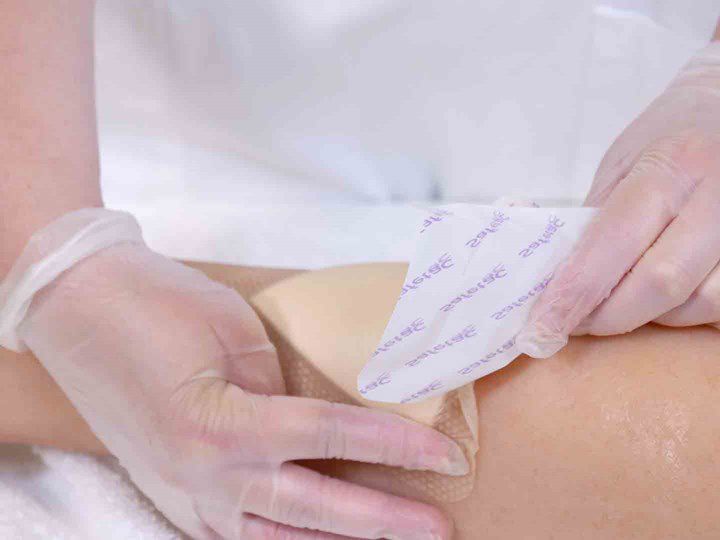
4. 드레싱에서 다른 보호층을 제거하고 드레싱 패드가 상처를 덮고 있는지 확인합니다.
-
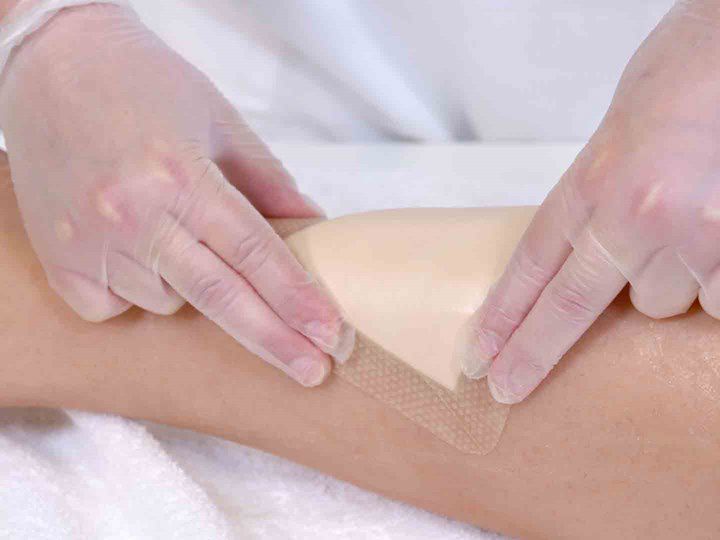
5. 드레싱이 제대로 밀봉되었는지 확인한 다음 필요한 경우 주변 피부에 보습제/연화제를 바릅니다.
-
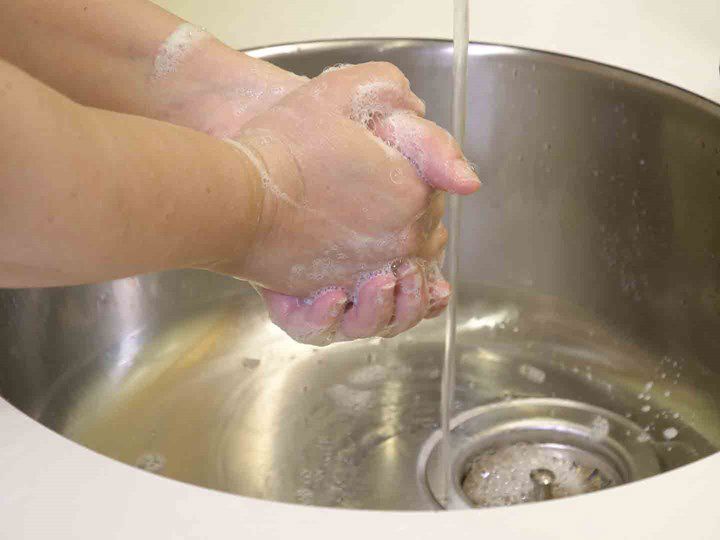
6. 손을 씻으십시오.


-
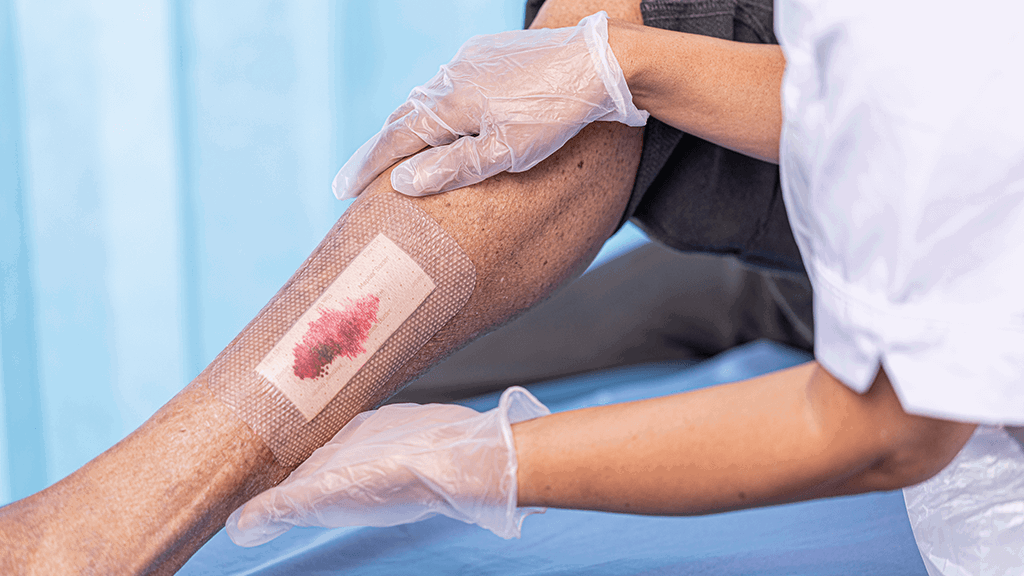
상처에 Mepitel 7.5x10 드레싱을 적용하는 방법.
-
상처에 Mepitel One 드레싱을 바르는 방법.
What do I need to know about my wound and its healing?
You may have many questions about looking after your wound and how you can help it heal. Here are some of the most commonly asked questions.
How often should I change my dressing?
- Leave your dressing in place for as long as possible, or as long as your nurse recommends. Normally a dressing is changed between 1 and 3 times a week.
It will be necessary to change your dressing immediately in these situations. - If fluid starts to leak out of the edge of the dressing.
- If the dressing peels off.
What should I look out for in caring for my wound?
If you notice any of the following, they are signs that your wound might be infected:
- It is more painful than normal.
- The amount of fluid increases significantly.
- The skin around your wound starts to swell and becomes red and fiery.
- If the smell from your wound gets worse.
- If there is excessive heat from/in your wound.
Other conditions that can affect wound healing are:
- If you see more yellow or new black tissue developing.
You should immediately contact your nurse if you see signs of infection.
What can I do that may help my wound to heal?
Wound healing is affected by a number of factors. You can play an active part in helping your wound to heal. Here are some steps you can take:
- Keep the wound moist to support and promote healing.
- Do not smoke.
- Eat a healthy and balanced diet.
- Exercise regularly within your own ability.
- Get regular sleep.
Your wound can take longer to heal for a variety of different reasons related both to your general health and the wound condition.
What do specialised wound dressings do?
Specialised wound dressings can make a difference in your wound healing because they are designed to provide the protection and environment that supports healing. Some of these attributes include:
- Providing physical protection for your wound.
- Keeping the wound moist and preventing the dressing from causing pain and damage at removal.
- Staying on your wound longer to support wound healing.*
- Absorbing the fluid from your wound and preventing it from getting on your clothes.
- Being comfortable to wear.
* Depending on the condition of the wound and surrounding skin, or as indicated by clinical practice