Education
Evidence and insights
Know by learning
Find expert insights and trusted information aimed to support both healthcare professionals and patients. Explore articles, videos and resources that advance medical knowledge and improve patient care.
-

1 min Cardiovascular solutions
Improve efficiency in interventional cardiology and cardiovascular surgery with customised Mölnlycke® ProcedurePak® containing the single-use products your team needs for each procedure. The more you add to each pack, the more value and efficiency you achieve. INTENDED FOR HEALTHCARE PROFESSIONALS. THIS PRODUCT IS NOT/THESE PRODUCTS ARE NOT AVAILABLE FOR PURCHASE BY THE GENERAL PUBLIC.
-

2 min Managing exudate, making laboratory testings clinically relevant
An article from the International Wound Journal highlights the critical role of utilising data from clinically relevant laboratory tests and well-structured clinical studies in the dressing selection process1.
- Wound care
-

3 min Understanding, preventing and managing skin tears
Skin tears are painful and distressing injuries, but they are common, especially as we get older. As we age, our skin becomes more delicate and can break or split easily from a bump or a knock. While they can look alarming, there are simple steps you can take to prevent them and help them heal well. If you are a healthcare professional, please log in to access restricted content.
-

4 min Understand your CO2 impact and drive your sustainability journey
Understand the environmental impact of your surgical CO2 output as we help you calculate your OR carbon footprint and contribute to circularity
- Surgical
-
2 min PITA: A Practical Framework for Pressure Injury Care
Pressure injury management can be complex — particularly when assessment, staging and treatment decisions vary across clinicians and care settings. The Australian Pressure Injury Treatment Advisory (PITA) Group developed a concise, clinician-friendly framework designed to support consistent, evidence-aligned pressure injury care at the bedside. The PITA Quick Guide and integrated decision tools help clinicians assess with clarity, stage accurately and select appropriate treatments with confidence.
-

2 min Expert Q&A: top tips to prevent perioperative hypothermia
Pre-warming surgical patients is already best practice in many hospitals but there’s still work to do to reduce the risk of perioperative hypothermia – and pre-op nurses are central to success, says Professor Jed Duff. In this Q&A, Professor Duff explains why surgical pre-warming is critical and offers his top tips for practical protocols in the pre-operative phase.
-
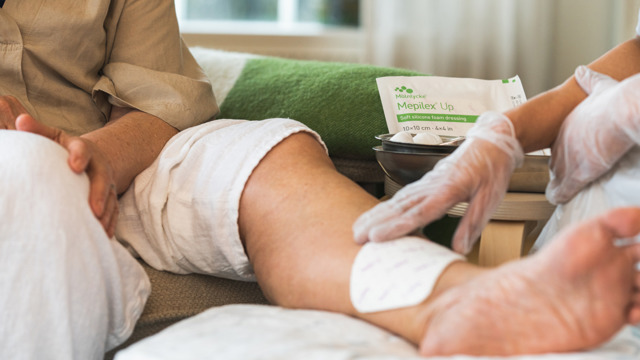
5 min 3 key problems of living with leaky wounds – and how the right dressing can help
Hard-to-heal wounds like leg ulcers can severely affect everyday life. Many leg ulcers, typically venous, have constant leakage of wound fluid and can cause discomfort, skin irritation, and an unpleasant odour. People living with leg ulcers share their experiences of living with a leaky wound and explain how a hospital-quality wound dressing like Mepilex® Up can help them get back on their feet.
-

10 min Expert insights: Why evidence-based approaches matter more than ever.
In this expert Q&A, we speak with Michelle Barakat-Johnson, Professor of Wound Care and Skin Integrity at the University of Sydney and Sydney Local Health District, Sarah Sage, Clinical Nurse Consultant in Wound Management at the Royal Melbourne Hospital, and Sonya Dick, Mölnlycke® Global Medical Affairs Manager for Prevention, about what evidence-based therapies really mean in clinical practice, why they matter and how the latest research and technologies are reshaping pressure injury prevention.
-
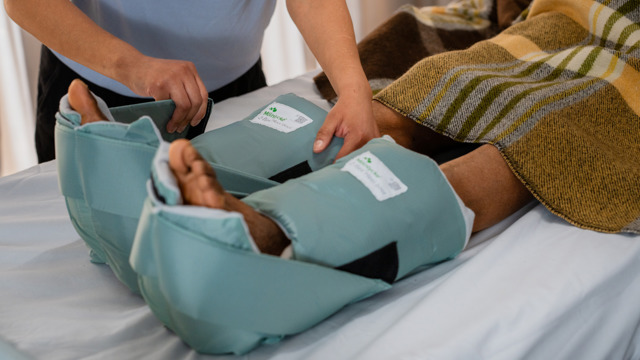
6 min The burden of pressure injuries is greater than you think
Worldwide Stop Pressure Injury Day (WWSPID) is a vital reminder for healthcare professionals to tackle pressure injuries head-on. This year, WWSPID will be held on Thursday 20 November, so it’s time to reflect on the significant impact these injuries have on healthcare. Hear from wound care experts Sarah Sage, Elizabeth Faust and Professor Michelle Barakat-Johnson on how these injuries affect both patients and healthcare systems – and what you can do to prevent them.
-
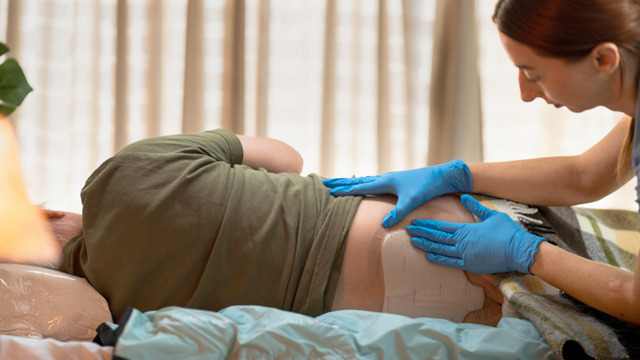
4 min Why empowering nurses makes all the difference
Wound experts Sarah Sage and Professor Michelle Barakat-Johnson discuss the critical role nurses play in the prevention and evidence-based management of pressure injuries, and offer their top tips for early detection.
-
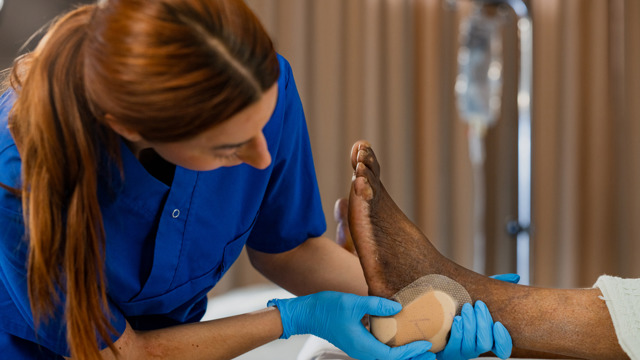
3 min Preventing pressure injuries in the operating room (OR): Practical steps for nurses and nurse managers
As part of a series on pressure injury prevention in the operating room, Mölnlycke® spoke to a group of specialist nurses and nurse educators. They shared their knowledge and offered tips for nurses and nurse managers to make pressure injury prevention in the OR a success.
- Wound care
-

3 min Setting up and running an OR PIP programme
As part of a series on pressure injury prevention in the operating room, Mölnlycke® spoke to a group of specialist nurses and nurse educators. They shared their advice on how to get buy-in and run a successful OR pressure injury prevention programme.
- Wound care
-
3 min Expert interview: How to get the support of hospital executives for pressure injury prevention interventions
Mölnlycke® recently spoke to a doctor in Australia and a professor of nursing in the Czech Republic to learn how clinicians can best go about getting endorsement from hospital executives for pressure injury prevention interventions.
- Wound care
-

2 min Pressure injury prevention in the Operating Room (OR): Assessing patient risk
As part of a series on pressure injury prevention in the operating room, Mölnlycke® spoke to a group of specialist nurses and nurse educators. They shared their knowledge and offered insights into which factors can increase a patient’s risk of pressure injury during surgery.
- Wound care
-
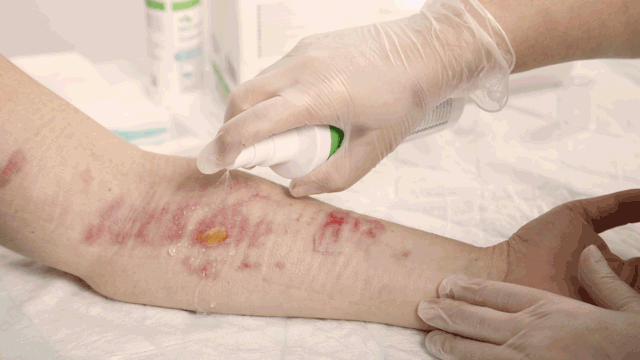
3 min Wound cleansing and irrigation are a prerequisite for healing: how to clean wounds, why it matters, what type of solution to use
Without wound cleansing, which includes irrigation or mechanical rinsing of the wound bed, healing may be severely compromised. This vital aspect of wound care is the first step in promoting the natural healing process.
- Wound care
-
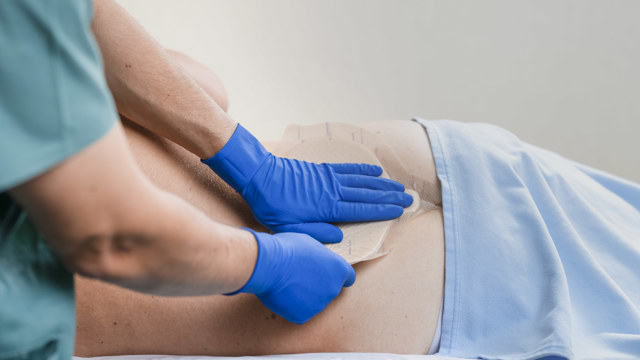
1 min Management of pressure injuries
For patients with a pressure injury, it is essential to conduct an ongoing risk assessment using a validated pressure injury risk assessment scale.
- Wound care
-
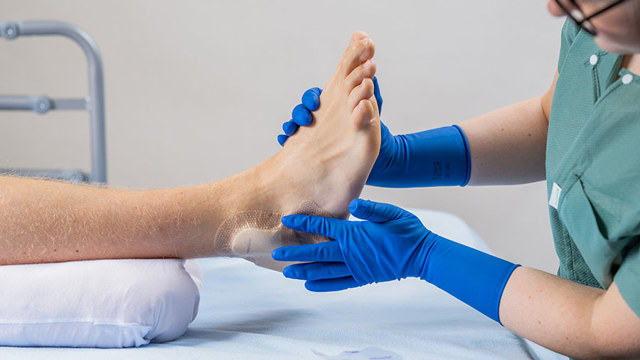
3 min Pressure injury (PI) wound assessment and staging*
Pressure injury severity assessment is based on the International NPIAP/EPUAP/PPPIA pressure injury classification system and requires the clinician to determine the depth of the injury based on visual inspection of the wound.
- Wound care
-
4 min Topical oxygen therapy with Granulox®
Watch video- Wound care
-

2 min Aetiology of pressure injuries
The development of a pressure injury is a complex interaction between extrinsic factors (environment) and intrinsic factors (patient-related).
- Wound care
-

1 min What is a venous leg ulcer?
- Wound care
-

1 min What can I do to heal my venous leg ulcer?
- Wound care
-
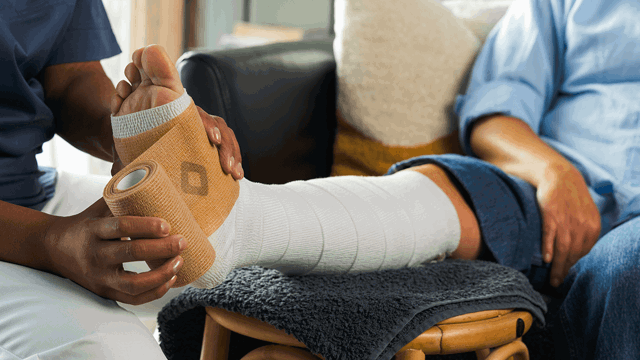
1 min Why is compression important?
- Wound care
-

2 min Support your healing by making the right choices
- Wound care
-

1 min How to lower risk of infection
- Wound care
-

1 min How can I tell if I have an infection?
- Wound care
-
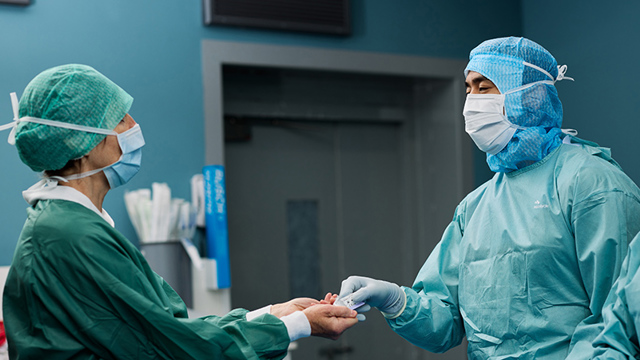
1 min 10% more surgeries performed in Belgium
At AZ Sint-Jan Bruges-Ostend Av in Belgium, Mölnlycke® ProcedurePak® trays are improving the efficiency of the operating theatre.
- Surgical
-
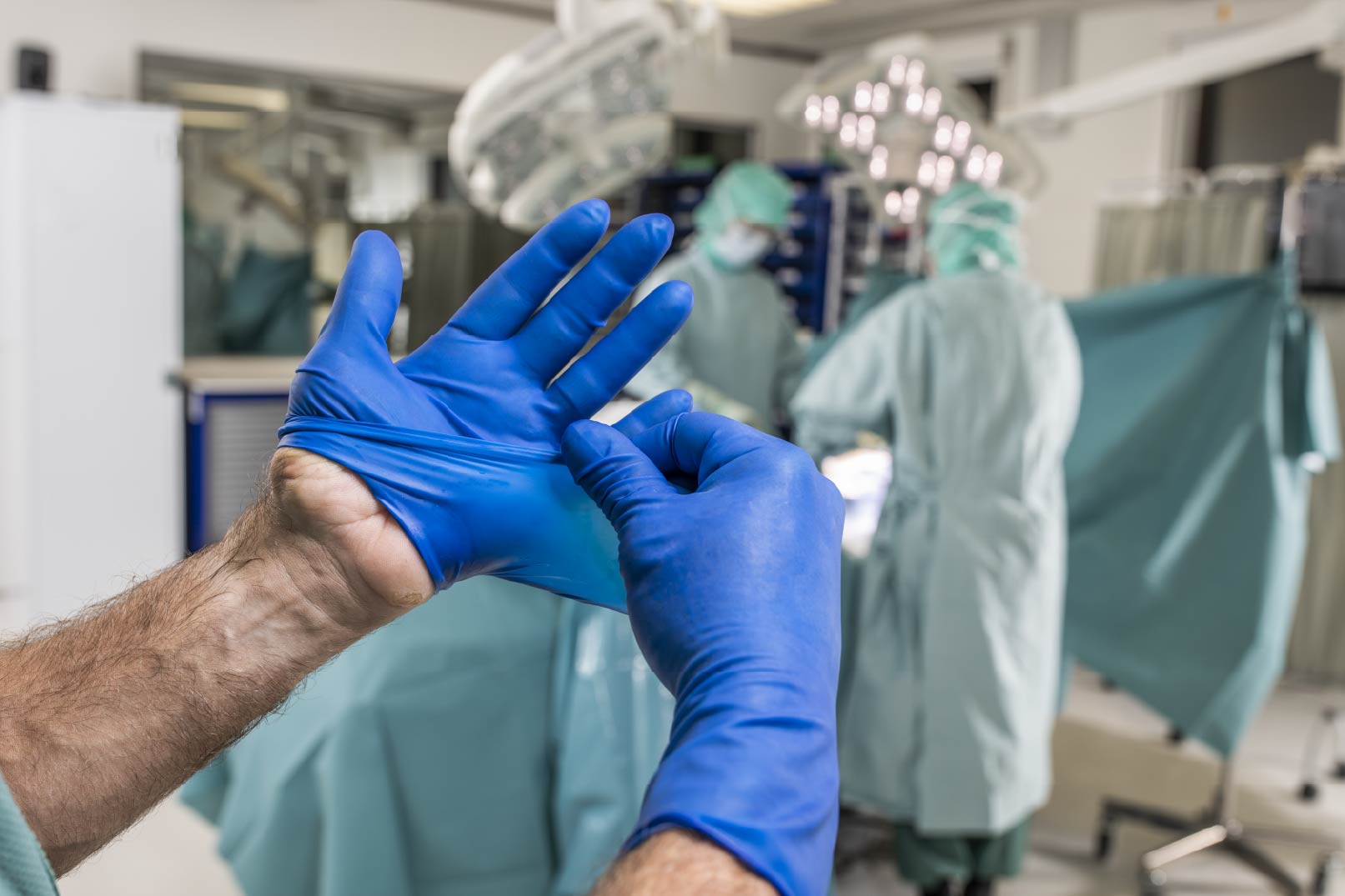
2 min Culture of OR safety: Double gloving for effective hand protection
Improving surgical gloving practice
- Gloves
-

1 min Tray changes increase procedures by 17% in Finland
Splitting two existing Mölnlycke® ProcedurePak® tays into four new trays – and colour coding for easier stock management – helped Coxa Hospital in Finland boost its efficiency.
- Surgical
-

1 min OR sustainability: A holistic system understanding
How do surgical gloves affect sustainability and the global environment?
- Gloves
-

1 min The new generation of (NRL) surgical gloves
Surgical gloves and raw materials – time for re-appraisal?
- Gloves
-

1 min Creating a Consensus document for surgical gloving best practice - Part 2
Part two discusses the role of a Consensus work to overcome the challenges of implementing change.
- Gloves
-
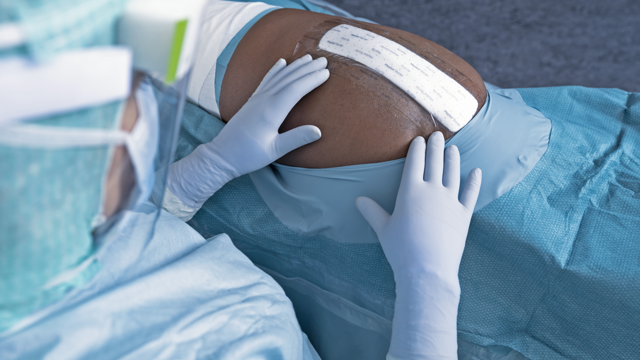
5 min Rethinking surgical incision care
Undisturbed wound healing (UWH) in post-surgical settings is a key focus for rethinking surgical incision care. UWH is a principle that reduces patient mortality, improves recovery time, increases patients’ quality of life and reduces costs¹.
- Wound care
-

1 min Creating a Consensus document for surgical gloving best practice – Part 1
The first part discusses the need to create a Consensus document with recommendations for surgical gloving best practice.
- Gloves
-
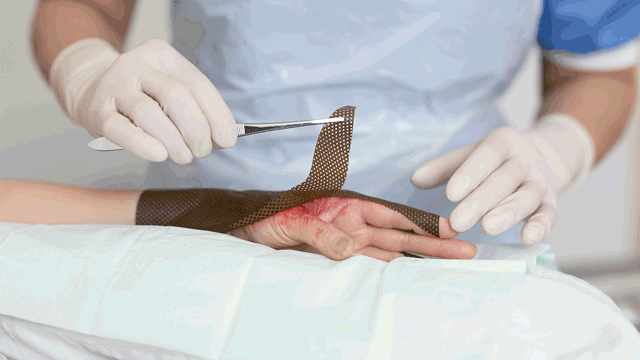
5 min Cost-effectiveness of burn dressings
Cost-effectiveness is an important factor in implementing a treatment regimen for burns. Burn care is associated with high costs, but it is important to look beyond price-per-unit to consider the total cost of care and cost savings realised by fewer dressing changes, less nursing time required, and fewer pain relief medications.
- Wound care
-

4 min Understanding burns in children: Key considerations for care
Burn injuries are a significant concern in the paediatric population, with children being particularly susceptible due to their natural curiosity and developing motor skills. Scalds are notably prevalent among young children. Specialised care and gentle wound dressings are needed to care for paediatric burn patients.
- Wound care
-

1 min Balancing practice and theory in the OR
Swedish OR nurses’ preventive interventions to reduce bacterial growth and SSIs, and to increase comfort in patients undergoing surgery
- Gloves
-

2 min The role of chemicals in medical gloves
Challenges and opportunities with chemicals in surgical gloves - meeting customer expectations
- Gloves
-
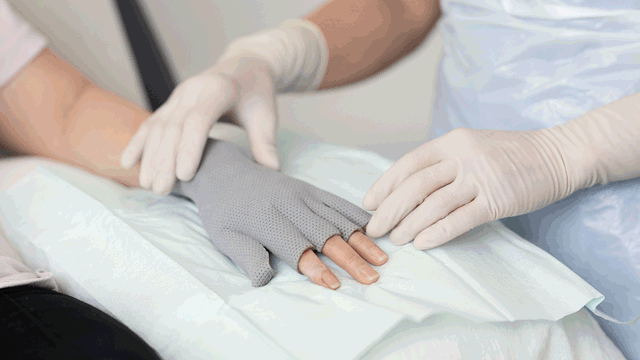
4 min Characteristics of an ideal burn dressing
Burn wounds are complex and require specialist, multidisciplinary, and comprehensive care. To secure the best chances of healing, it’s important to consider burn dressing choice. The ideal burn dressing combines concern for supporting undisturbed healing, fostering a positive patient experience and comfort, and positive clinical outcomes with the need to avoid complications that can lead to increased morbidity and mortality.
- Wound care
-
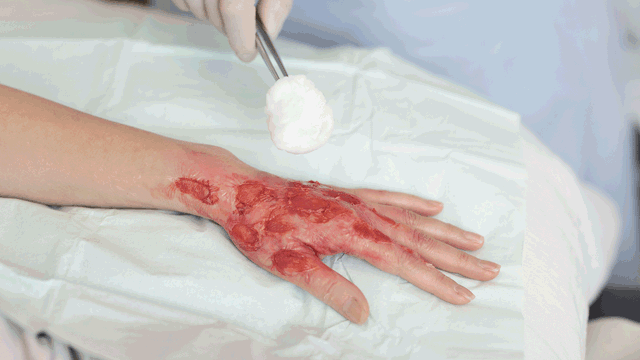
5 min Minimising risk of infection in burn care
Burn injuries compromise the skin's integrity, exposing patients to a heightened risk of infection, which can impede healing and increase morbidity and mortality. Implementing effective measures for minimising risk of infection, such as dressing selection, antimicrobial dressings, and a new approach to dressing-change protocols, is critical.
- Wound care
-
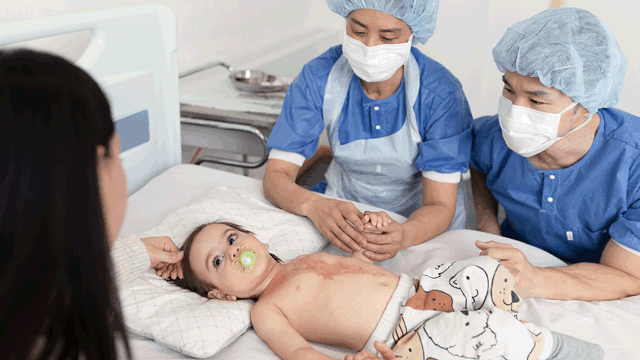
4 min Making burn treatment less painful
Burn injuries affect millions globally each year and present trauma in the form of physical and psychological challenges during the healing process. The pain and trauma associated with burn treatments, particularly during dressing changes and also for those with sensitive and fragile skin, such as children and the elderly, is a focus of recent advancements in burn care, emphasising the importance of minimising pain to promote effective healing and improve patient outcomes.
- Wound care
-
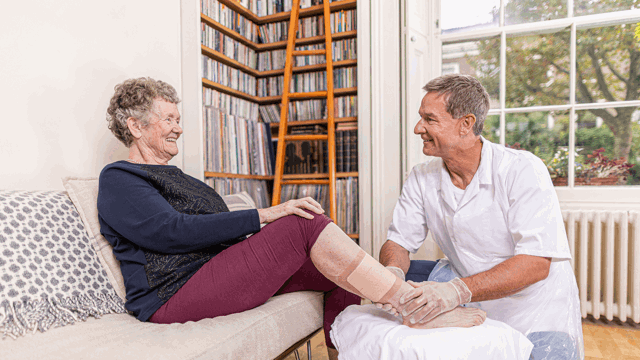
3 min What is patient engagement and why is it important for individuals with hard-to-heal wounds?
Engaged patients are the patients we would all like to be – informed, involved and motivated participants in our own care. For individuals suffering with hard-to-heal wounds, where treatment is ongoing, this approach may be particularly valuable.
- Wound care
-

2 min Venous Leg Ulcers and the never ending problem of leakage
Living with the distressing consequences of leakage from a venous leg ulcer (VLU) can undoubtedly significantly diminish a patient's quality of life. Individuals enduring the challenges of highly exuding wounds, such as VLUs, deserve a higher quality of healthcare. The disruptive effects of exudate leakage on daily life should no longer be tolerated. Change is coming…
- Wound care
-

4 min How to understand and treat Epidermolysis Bullosa (EB) and make dressing changes less distressing for patients
EB is a rare, inherited group of skin disorders characterised by extreme skin fragility. It is estimated to affect around 500,000 patients worldwide¹.
- Wound care
-
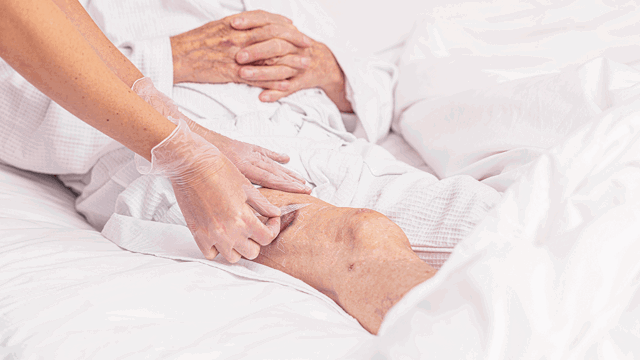
4 min How being skin tear aware can help patients and clinicians understand and manage skin tears
Skin tears are painful and distressing injuries that occur more often than people may realise. Unfortunately, a lack of awareness about what causes skin tears can lead to misidentification and mistreatment which, in turn, can lead to pain and suffering.
- Wound care
-
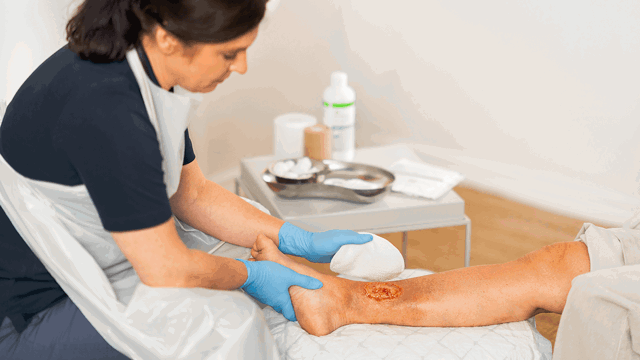
4 min Venous leg ulcers: Comprehensive management and care
Venous leg ulcers (VLUS) require comprehensive management and care in order to heal. Those with VLUs and chronic venous insufficiency require clinical strategies and treatments drawn from guidelines and consensus recommendations.
- Wound care
-

4 min The impact of venous leg ulcers on patient quality of life
Venous leg ulcers (VLUs) can have a significant effect on patient quality of life. How can VLU management become better to improve patient quality of life and minimise the burden to healthcare systems? A Wounds International article explores the connection between VLU management and patient quality of life.
- Wound care
-
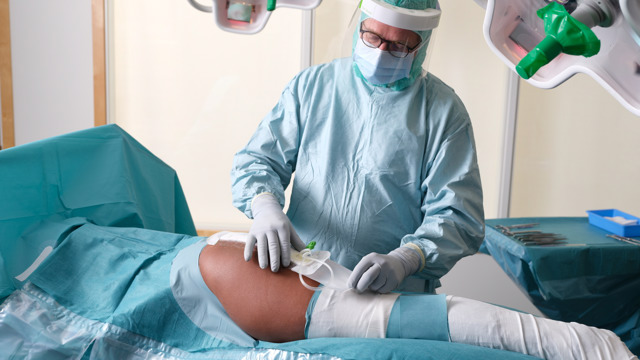
5 min How universal patient assessment can help minimise post-surgical complications: the simplified Surgical Site Event Risk Assessment (SSERA) model
This article explores the clinical and economic value of a universal assessment for surgical patients across all major procedures. It then proposes a simplified risk assessment framework to identify those patients most likely to benefit from post-operative interventions such as the use of incisional negative pressure therapy.
- Wound care
-

6 min Real-world OR efficiency success stories
Nothing inspires greater confidence in a solution or product than a real-world success story. For improving OR efficiency and productivity, implementations in hospitals all over the world tell a compelling story about time management, inventory management, waste management, sustainability, and being able to deliver more surgical procedures safely.
- Surgical
-
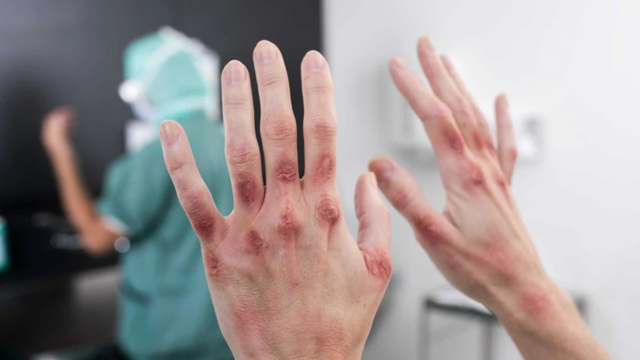
1 min Contact dermatitis
Contact dermatitis is an inflammation of the skin resulting from direct contact of a substance with the surface of the skin1.
- Gloves
-

2 min Cochrane reviews on double-gloving
The efficacy of double-gloving to reduce the risk of an inner-glove perforation and increase the detection of perforations when they occurred has been evaluated in two different Cochrane systematic reviews1,2.
- Gloves
-
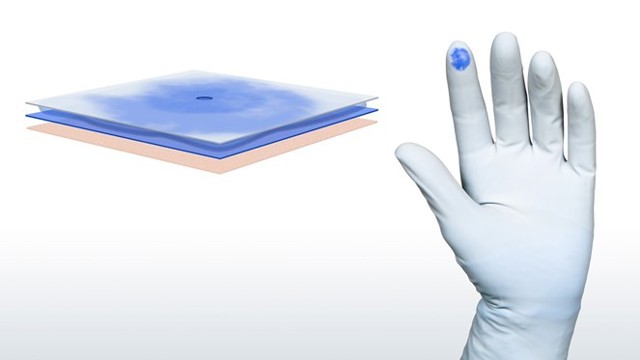
2 min Double gloving with puncture indication for extra safety
The key to maximum safety is making sure that punctures in surgical gloves can be detected as rapidly as possible.
- Gloves
-
6 min Find your most efficient OR flow
- Surgical
-

4 min Double gloving for complete protection
In discussion with surgeons and other operating room (OR) staff, such as surgical nurses, safety for their patients and for themselves is a key concern.
- Gloves
-
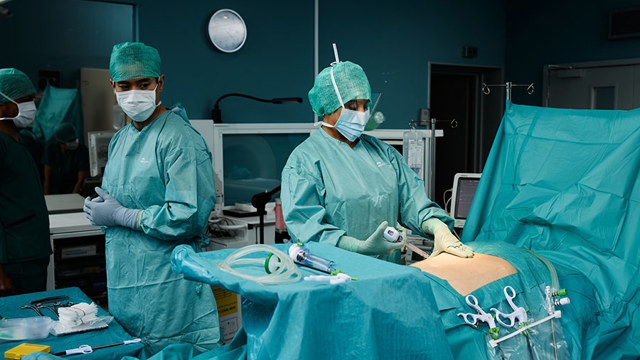
4 min Surgical instruments for laparoscopic procedures
Choose from an extensive range of high-quality laparoscopic surgical instruments, available as single-packed or as part of a customised surgical procedure tray solution.
- Surgical
-
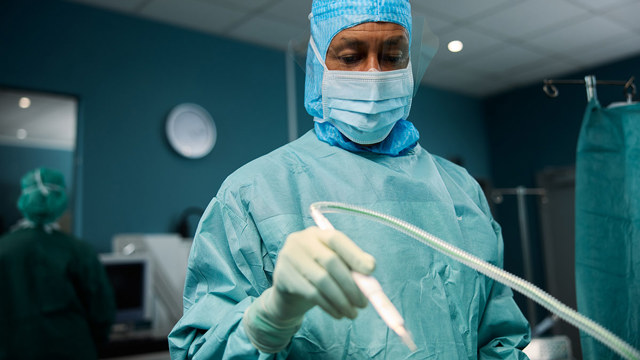
3 min The hazard of surgical plume
- Surgical
-

5 min How to fight infections
The key to fighting infection has been found to be intensive infection control and surveillance routines¹ coupled with the use of the right solutions
- Surgical
-

6 min Procurement’s role in reducing the total cost of wound care
Seek partnership, not just products, for a strategic mix of high-performing solutions, clinician support and health-economic insights.
- Wound care
-

10 min Infections in the operating room
See how protecting yourself, your patients and staff from hospital-acquired infections, also known as healthcare-associated infections, can save on costs and avoid unnecessary additional care when complications occur.
- Surgical
-
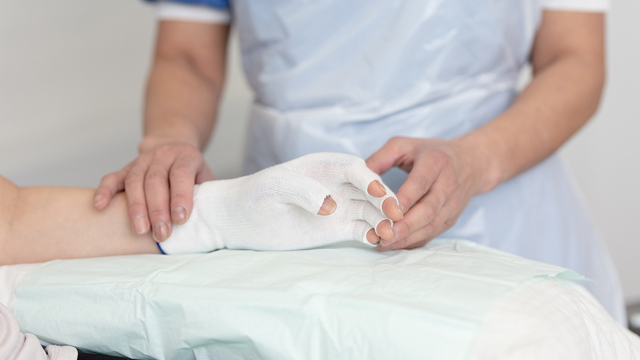
2 min Prevention and first-aid measures for burns
Burns happen to people every day all over the world. But most burns are preventable, and by knowing the best way to treat a burn with first aid it's often possible to reduce their severity.
- Wound care
-

5 min Surgical gown material guide
Surgical gowns play a critical role in maintaining healthcare provider (HCP) and patient safety as well as the sterility of the operating room environment. One key aspect of surgical gowns is the gown material and its properties. Surgical gown materials differ, and understanding the differences and making the right selections can help HCPs make informed decisions, enhance infection control efforts, optimise surgical outcomes and promote patient safety.
- Surgical
-

7 min Active prewarming helps prevent perioperative hypothermia and its consequences
Within the first hour of anaesthesia delivery, a surgical patient can lose up to 1-1.5°C in core body temperature¹. Surgical patients who have not been given active patient pre-warming typically experience hypothermic effects as a result.
- Surgical
-

7 min Top 7 tips for wound healing
You probably don’t think much about wound care until you have surgery or an accident, or you have an ongoing hard-to-heal wound such as those caused by diabetes. But this year’s Wound Awareness Week (September 1–7) is urging us to Be Wound Aware because “Wounds affect EVERY body” and even a minor injury can become a serious long-term problem if you don’t care for your wound. Follow these seven tips to give yourself the best chance of recovery without complications.
- Wound care
-

2 min Protocol to practice: Single to double gloving
How to implement a double gloving protocol in practice
- Gloves
-
6 min Post-operative wound dressings and undisturbed incision healing
Successful surgical outcomes depend on appropriate post-operative care, undisturbed wound healing and choice of post-op dressing. Surgical care does not end when the surgery ends. What can your post-operative dressing and dressing protocol do to help optimise healing?
- Wound care
-

2 min Strategies for active OR quality improvement
Using improvement science to drive change in the operating room
- Gloves
-

1 min Turning the operating room green: How can we help to make it happen?
The prospect of turning the operating room green sounds promising for sustainability. But in the face of greenwashing and challenges measuring green initiatives, it can be difficult to make ORs truly green and be able to demonstrate it factually.
- Surgical
-
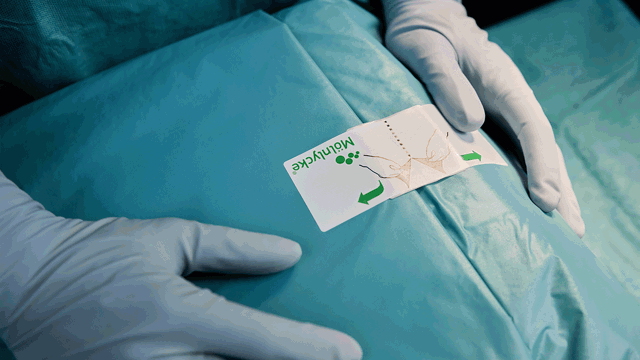
4 min Surgical product donning and draping
Learn how to don surgical gowns, masks and gloves and drape surgical drapes correctly
- Surgical
-
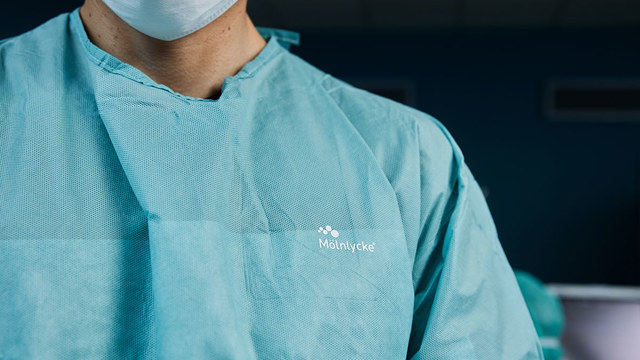
4 min Surgical gown donning
Why and how to put on a surgical gown aseptically
- Surgical
-
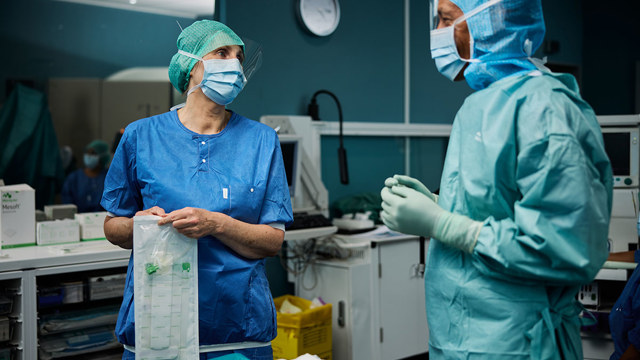
3 min Laparoscopic surgery recovery and post-laparoscopic care
Patients, healthcare professionals and hospital administrators alike see benefits of the laparoscopic surgery healing process.
- Surgical
-

4 min Increase OR efficiency by supporting healthcare workers
With healthcare managers under pressure to find time and cost savings, there are opportunities to increase efficiency in the operating room (OR).
- Surgical
-

3 min Burn scar treatment
We know that burn scars can affect your quality of life. They can cause discomfort and itching, and they may also make you feel self-conscious. It’s not always easy to return to your daily life and activities, but there is a lot you can do to prevent and reduce hypertrophic scars.
- Wound care
-

5 min Diabetic foot ulcers: Treatment, management and care for healthcare professionals
Examining how diabetic foot ulcers (DFUs) are diagnosed, treated and managed, taking a holistic approach to the patient’s individual wound and needs.
- Wound care
-

4 min Diabetic foot ulcers: Causes, risks, and epidemiology
Examining the causes, risk factors, and epidemiology of diabetic foot ulcers (DFUs), a serious complication of diabetes. Approaches to prevention and the management of DFUs are important when managing the person with diabetes.
- Wound care
-

2 min Wound exudate: how to assess and manage exuding wounds for the best patient outcomes
Exudate – or wound fluid – plays a vital part in the natural wound healing process, but how do you manage exudate to get the best patient outcomes?
- Wound care
-

5 min The impact of venous leg ulcers and “leaky legs”
The chronic nature of venous leg ulcers (VLU) means that the cycle of skin healing followed by breakdown and potential for infection can repeat – sometimes over decades. This creates quality of life issues for patients1, in particular because of physical symptoms, which can be both painful and embarrassing.
- Wound care
-
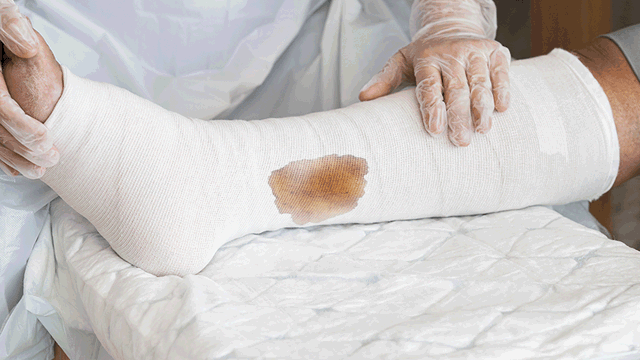
6 min Venous leg ulcers: Clinical understanding and epidemiology
Venous leg ulceration and chronic venous insufficiency represent a significant health problem throughout the world. Compression therapy is key to successful management¹.
- Wound care
-

3 min Expert interview: How can clinicians engage procurement and finance stakeholders in implementing a pressure injury prevention programme?
As part of a recent investigation into pressure injury prevention, Mölnlycke® asked this and related questions to Benedict Stanberry, an expert in health economics.
- Wound care
-

4 min How to look after your wound
What do you need to know to look after your wound at home? This page guides you through the process of changing your wound dressings safely.
- Wound care
-

2 min The dangers of powder in surgical gloves
The dangers of powder in surgical gloves have long been known and well-documented. Eliminating the use of glove powder can help eliminate several adverse health effects that may result from its use, such as postoperative adhesions, granulomas, wound contamination and delayed wound healing1,2.
- Gloves
-
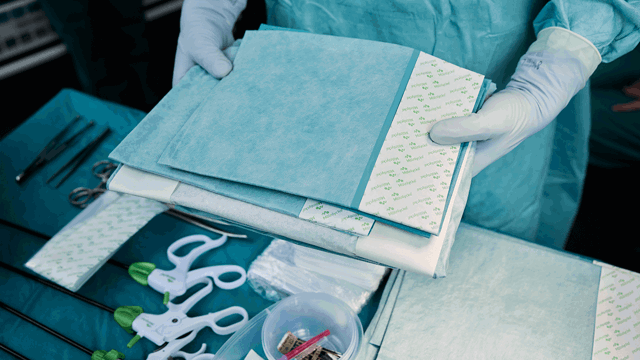
4 min One hospital achieves 37% more OR procedures using ProcedurePak®
Procedure trays lend themselves to greater OR efficiency and operating room optimisation. A number of studies support the claim that time savings and adding more procedures to the OR schedule is possible.
- Surgical
-
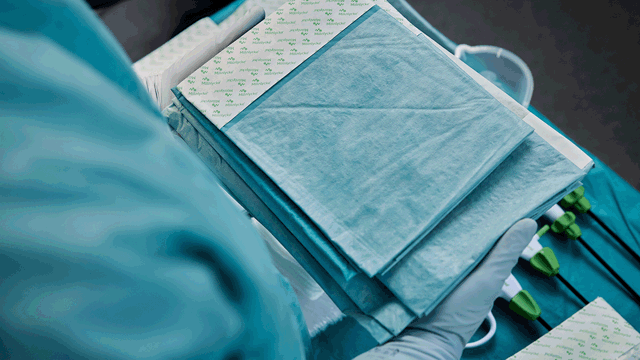
2 min All-in-one speciality drapes offer many benefits
Mölnlycke offer a comprehensive range of speciality drapes.
- Surgical
-

3 min Mölnlycke® Portal: Manage all your ProcedurePak® trays in one place
Mölnlycke Portal is an easy-to-use digital solution where you can manage everything you need connected to your ProcedurePak trays. It’s a procedure-tray management tool that enables operating room optimisation and efficiency improvements for surgical healthcare professionals.
INTENDED FOR HEALTHCARE PROFESSIONALS. THIS PRODUCT IS NOT/THESE PRODUCTS ARE NOT AVAILABLE FOR PURCHASE BY THE GENERAL PUBLIC.- Surgical
-

6 min Sustainable solutions
Towards a sustainable product portfolio
- Surgical
-

3 min Orthopaedic solutions
Improve efficiency with customised ProcedurePak® containing all the single-use equipment you need for hip, knee and shoulder replacement surgeries and other orthopaedic procedures. The more you add to each pack, the more value and efficiency you achieve.
INTENDED FOR HEALTHCARE PROFESSIONALS. THIS PRODUCT IS NOT/THESE PRODUCTS ARE NOT AVAILABLE FOR PURCHASE BY THE GENERAL PUBLIC.- Surgical
-

2 min Laparoscopic solutions
Save time and costs with customised Mölnlycke® ProcedurePak® for cholecystectomies, appendectomies, hernia repairs, and other laparoscopic procedures. Choose from our extensive range of high-quality laparoscopic instruments and other equipment. The more you add to each pack, the more value and efficiency you achieve.
INTENDED FOR HEALTHCARE PROFESSIONALS. THIS PRODUCT IS NOT/THESE PRODUCTS ARE NOT AVAILABLE FOR PURCHASE BY THE GENERAL PUBLIC.- Surgical
-

5 min Safetac® Technology: the innovation that changed wound care forever
With the invention of Safetac® Technology, Mölnlycke® revolutionised wound care, introducing a range of groundbreaking dressings specifically designed to minimise pain at dressing change. Discover how Safetac Technology can benefit you and your patients.
- Wound care
No content matches your filters.