Education
Evidence and insights
Know by learning
Find expert insights and trusted information aimed to support both healthcare professionals and patients. Explore articles, videos and resources that advance medical knowledge and improve patient care.
-

11 min Common beliefs about CHG
There are a lot of opinions about the best way to bathe a patient. Let’s dive into the facts.
-

1 min Skin integrity & decolonization: Preventative strategies across all patient populations
Patients’ skin is one of the most overlooked sources of preventable infections. While nurses and infection prevention work tirelessly to reduce healthcare-associated infections and surgical site infections, evidence continues to show that most pathogens stem from a patient’s own microbiome, not the hospital environment.1 As more infections occur outside the ICU, whole-hospital skin integrity and decolonization strategies that incorporate CHG antiseptic skin cleansers are emerging as the most effective practices to reduce HAIs and SSIs across diverse patient populations.
- Antiseptics
- Surgical
-

4 min How staff variability impacts infection control outcomes
-

2 min Support your healing by making the right choices
- Wound care
-
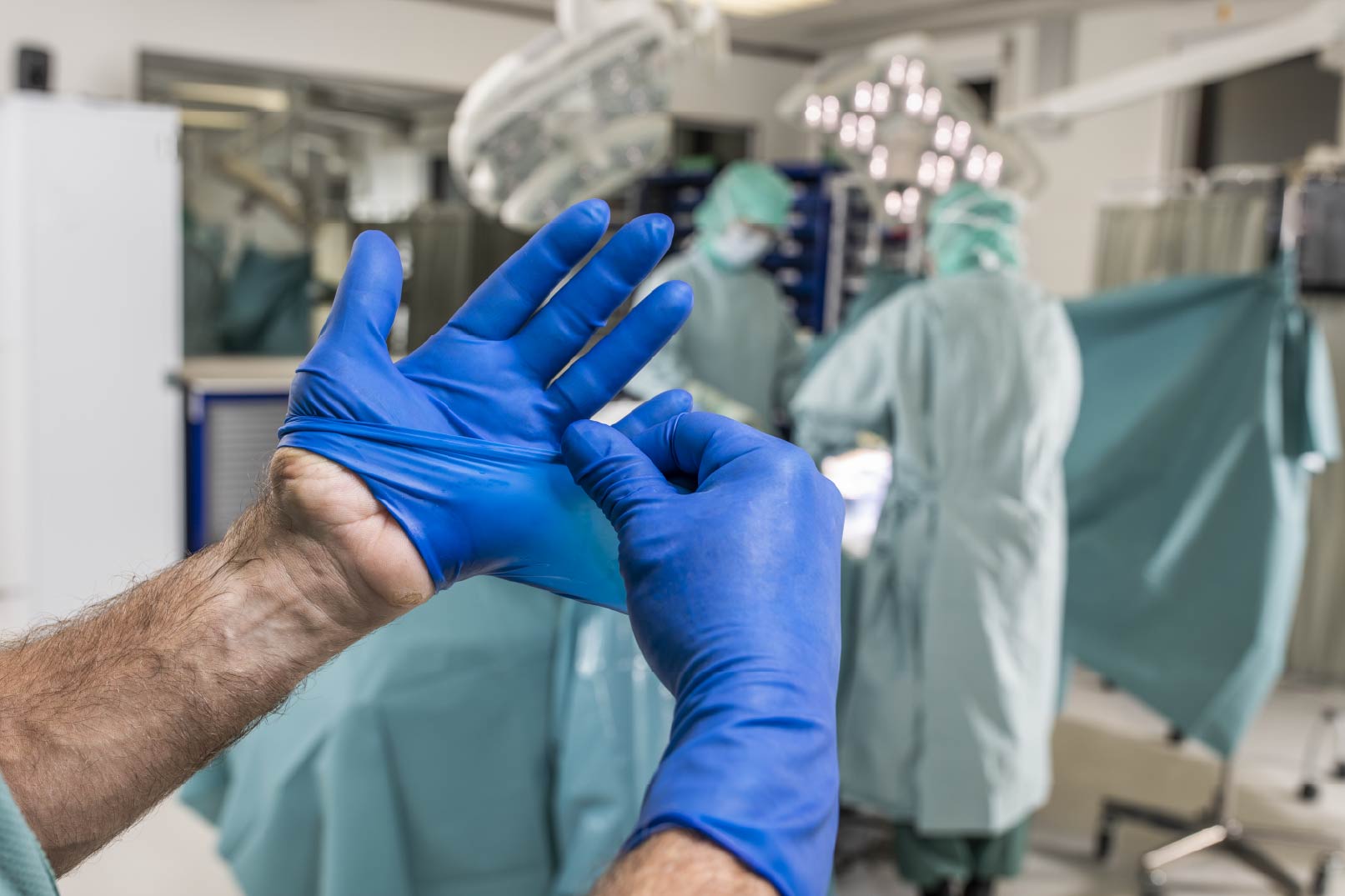
2 min Culture of OR safety: Double gloving for effective hand protection
Improving surgical gloving practice
- Gloves
-

1 min OR sustainability: A holistic system understanding
How do surgical gloves affect sustainability and the global environment?
- Gloves
-

1 min Creating a Consensus document for surgical gloving best practice - Part 2
Part two discusses the role of a Consensus work to overcome the challenges of implementing change.
- Gloves
-

1 min Creating a consensus document for surgical gloving best practice – Part 1
The first part discusses the need to create a consensus document with recommendations for surgical gloving best practice.
- Gloves
-

5 min Rethinking surgical incision care
Undisturbed wound healing in post-surgical settings is a key focus for rethinking surgical incision care. Undisturbed wound healing is a principle that reduces patient mortality, improves recovery time, increases patients’ quality of life and reduces costs¹.
- Wound care
-
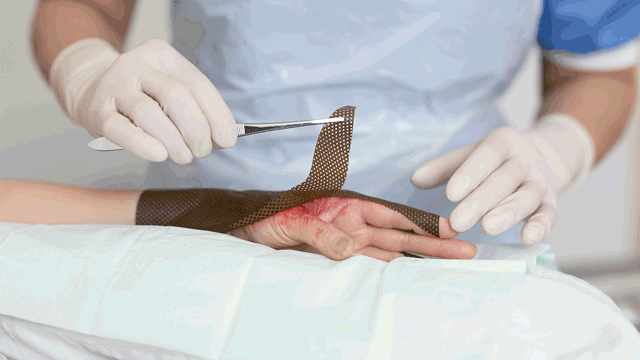
3 min Cost-effectiveness of burn dressings
Cost-effectiveness is an important factor in implementing a treatment regimen for burns. Burn care is associated with high costs, but it is important to look beyond price-per-unit to consider the total cost of care and cost savings realised by fewer dressing changes, less nursing time required, and fewer pain relief medications.
- Wound care
-

2 min The role of chemicals in medical gloves
Challenges and opportunities with chemicals in surgical gloves - meeting customer expectations
- Gloves
-

1 min Balancing practice and theory in the operating room
Swedish operating room (OR) nurse's preventive interventions to reduce bacterial growth and SSIs, and to increase comfort in patients undergoing surgery
- Gloves
-
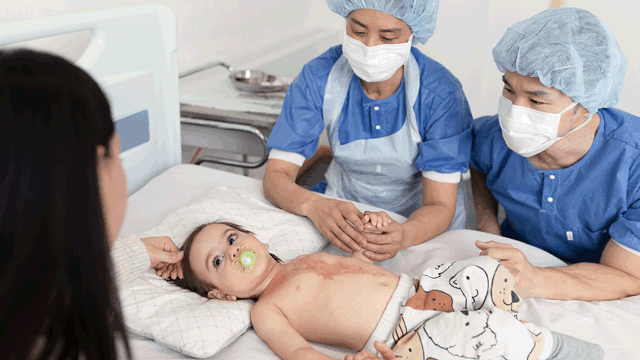
4 min Making burn care less painful
Burn injuries affect millions globally each year and present trauma in the form of physical and psychological challenges during the healing process. The pain and trauma associated with burn care, particularly during dressing changes and also for those with sensitive and fragile skin, such as children and the elderly, is a focus of recent advancements in burn care, emphasizing the importance of minimizing pain during dressing changes and improving patient outcomes.
- Wound care
-
3 min Tips and tricks to prevent pressure injuries in the OR: Setting up and running an OR pressure injury prevention program
Watch video- Wound care
-
2 min Tips and tricks to prevent pressure injuries in the operating room: criteria for assessing patient risk
Watch video- Wound care
-

4 min How to understand and treat Epidermolysis Bullosa (EB) and make dressing less distressing for patients
EB is a rare, inherited group of skin disorders characterised by extreme skin fragility. It is estimated to affect around 500,000 patients worldwide¹.
- Wound care
-
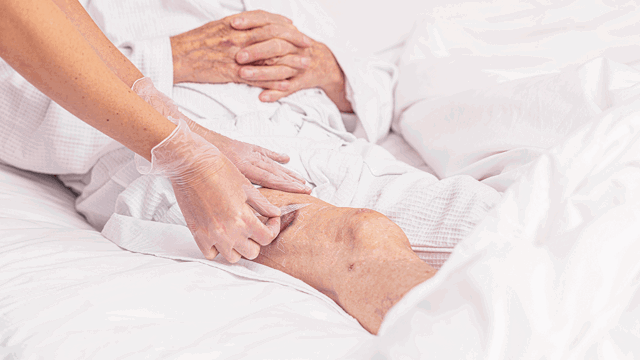
4 min How being skin tear aware can help patients and clinicians understand and manage skin tears
Skin tears are painful and distressing injuries that occur more often than people may realize. Unfortunately, a lack of awareness about what causes skin tears can lead to misidentification and mistreatment which in turn, can lead to pain and suffering.
- Wound care
-
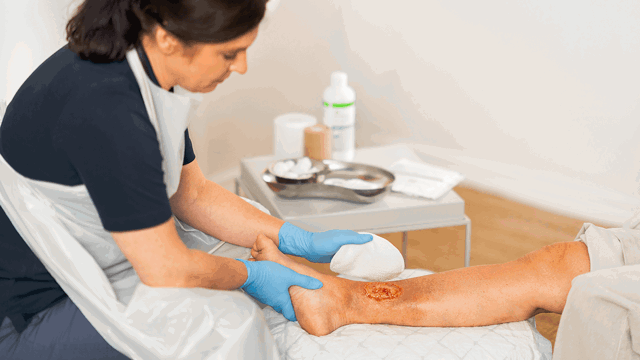
4 min Venous leg ulcers: Comprehensive management and care
Venous leg ulcers (VLUs) and chronic venous insufficiency require comprehensive management and care in order to heal, including clinical strategies and treatments drawn from guidelines and consensus recommendations.
- Wound care
-

4 min The impact of venous leg ulcers (VLUs) on the patient's quality of life
Venous leg ulcers can have a significant effect on the patient's quality of life. How can VLU management become better to improve the patient's quality of life and minimize the burden to healthcare systems? A Wounds International article explores the connection between venous ulcer management and the patient's quality of life.
- Wound care
-

2 min Cochrane reviews on double-gloving
The efficacy of double-gloving to reduce the risk of an inner-glove perforation and increase the detection of perforations when they occurred has been evaluated in two different Cochrane systematic reviews1, 2.
- Gloves
-
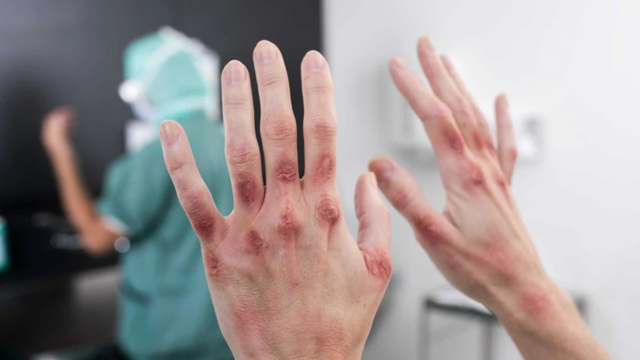
2 min Contact dermatitis
Contact dermatitis is an inflammation of the skin resulting from direct contact of a substance with the surface of the skin.1
- Gloves
-

4 min Double gloving for complete protection
In discussion with surgeons and other operating room (OR) staff, such as surgical nurses, safety for their patients and for themselves is a key concern.
- Gloves
-

2 min Double gloving with puncture indication for extra safety
The key to maximum safety is making sure that punctures in surgical gloves can be detected as rapidly as possible.
- Gloves
-

5 min How to fight infections
The key to fighting infection has been found to be intensive infection control and surveillance routines¹ coupled with the use of the right solutions.
- Surgical
-

8 min Infections in the operating room
See how protecting yourself, your patients and staff from hospital-acquired infections, also known as healthcare-associated infections, can save on costs and avoid unnecessary additional care when complications occur.
- Surgical
-
5 min Post-operative wound dressings and undisturbed wound healing
Successful surgical outcomes depend on appropriate post-operative care, undisturbed wound healing and correct choice of a post-op dressing. Surgical care does not end when the surgery ends. What can your post-operative dressing and dressing protocol do to help optimize healing?
- Wound care
-

2 min Protocol to practice: Single to double gloving
How to implement a double gloving protocol in practice
- Gloves
-
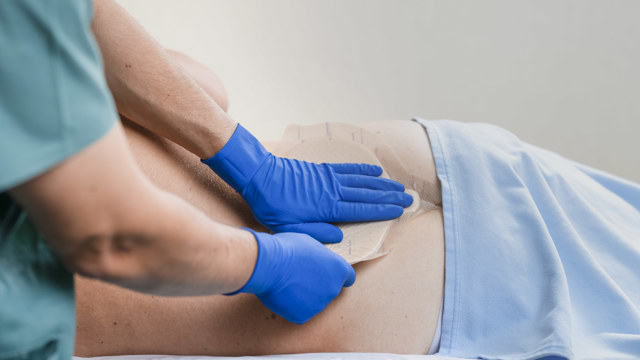
2 min Management of pressure injuries
It is essential that any patient with a pressure injury undergoes a risk assessment using a validated pressure injury risk assessment scale. This process helps identify factors that may contribute to further skin breakdown and guides appropriate preventive measures. The assessment should not be a one-time activity; rather, it must be performed on an ongoing basis to ensure timely interventions as the patient’s condition changes. Regular reassessment is critical for maintaining skin integrity and improving overall patient outcomes.
- Wound care
-
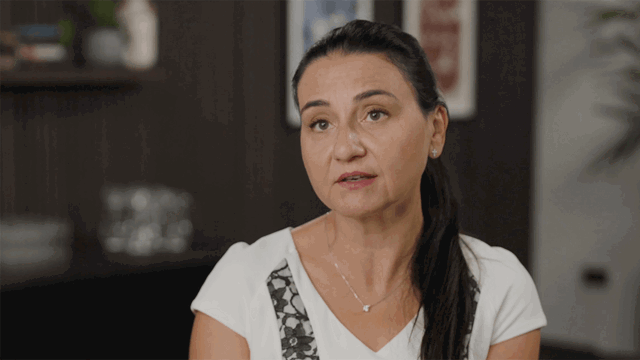
3 min Expert interview: How to get the support of hospital executives for pressure injury prevention interventions
Mölnlycke recently spoke to a doctor in Australia and a professor of nursing in the Czech Republic to learn how clinicians can best go about getting endorsement from hospital executives for pressure injury prevention interventions.
- Wound care
-
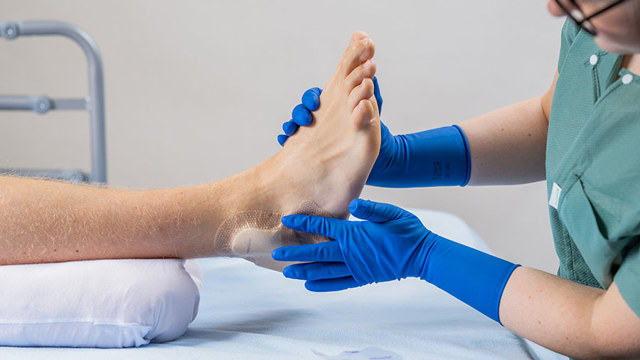
5 min Pressure injury wound assessment and staging*
Pressure injury severity assessment is based on the International NPIAP/EPUAP pressure injury classification system and requires the clinician to determine the depth of the injury based on visual inspection of the wound.
- Wound care
-

3 min Etiology of pressure injuries*
The development of a pressure injury is a complex interaction between extrinsic factors (environment) and intrinsic factors (patient related).
- Wound care
-

2 min Expert interview: How can clinicians engage procurement and finance stakeholders in implementing a pressure injury prevention program?
As part of a recent investigation into pressure injury prevention, Mölnlycke asked this and related questions to Benedict Stanberry, an expert in health economics.
- Wound care
-

4 min Safetac®: the innovation that changed wound care forever
With the invention of Safetac, Mölnlycke revolutionized wound care, introducing a range of groundbreaking dressings specifically designed to minimize pain at dressing change. Discover how Safetac technology can benefit you and your patients.
- Wound care
No content matches your filters.