No more trauma, discover the power of gentle®
Burn wounds are complex and challenging. Infection risk, pain and exudate can delay healing, while dressing adherence and frequent dressing changes may cause additional trauma to fragile newly formed tissue. Optimising wound management is critical to protecting the wound bed, supporting re-epithelialisation and improving the patient experience.
Burn injuries: a significant global health challenge
-
0 millionburn injuries require medical attention worldwide every year 1
-
~ 0 %of burn injuries occur in children globally2
-
0People die from burn injuries every year worldwide3
Our approach to healing burns
Burns are painful and often life changing for the
burn survivor. By reducing pain, distress and
anxiety, we can support an effective healing process
and improve outcomes.
This means undisturbed wound healing,
improved cost-effectiveness, and a better patient
experience.
We call this The Power of Gentle®
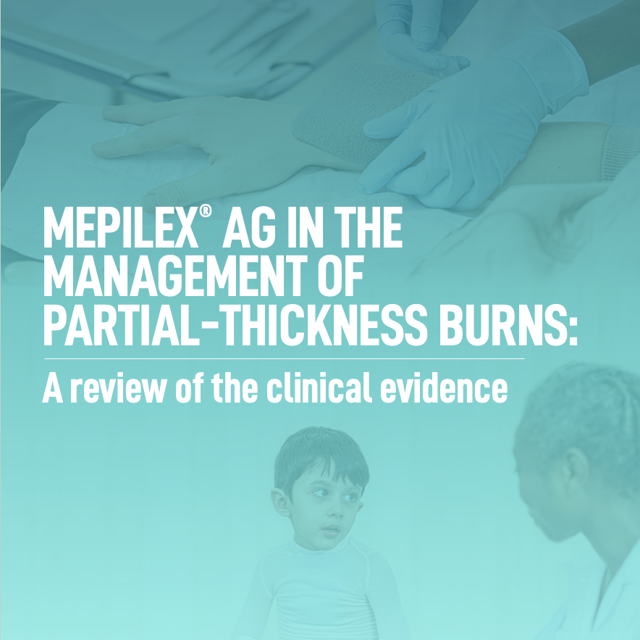
Mepilex Ag: designed to address the key challenges in burn wound care
Explore the evidence behind Mepilex Ag and how its properties can help protect the wound, manage exudate, support antimicrobial protection and minimise pain and trauma during dressing changes.
Dr Kevin Foster, Director of the Arizona Burn Center, about Mepilex Ag here
Managing burns in difficult-to-dress areas
-
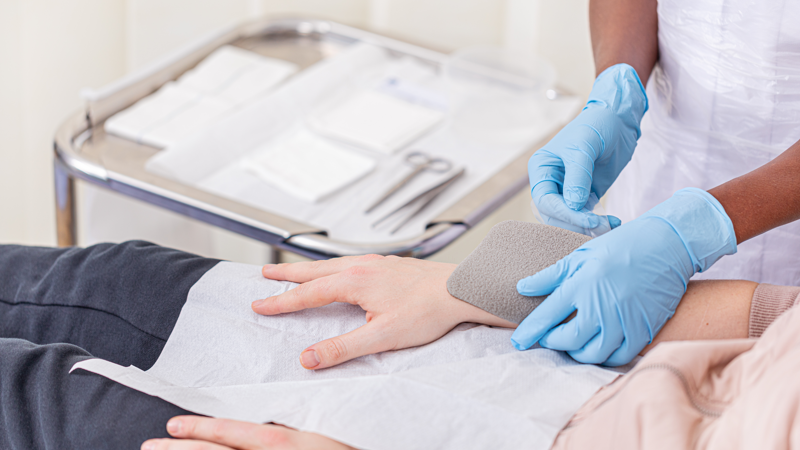
Optimise the dressing fit
Burns in challenging anatomical locations require dressings that conform, protect and move with the patient.
-
Watch how to shape and apply Mepilex Ag
Learn practical techniques for dressing burns in anatomically challenging areas.
-
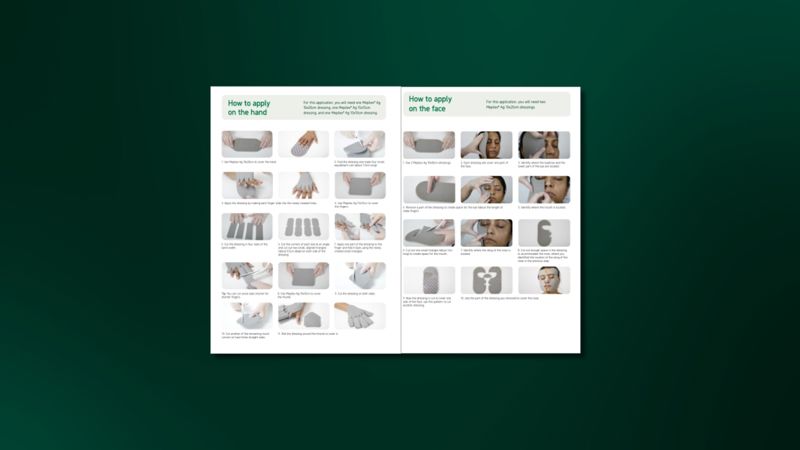
Adapting dressings to challenging anatomy
Read about the role of conformability and movement when dressing challenging areas. Read here
Explore the latest evidence
-
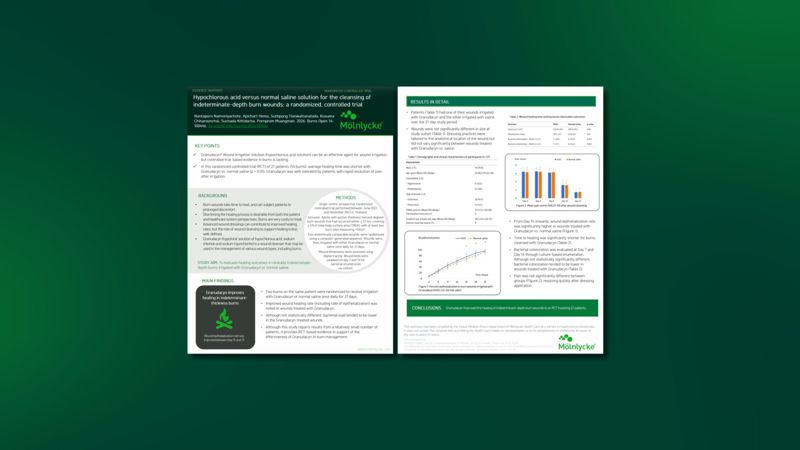
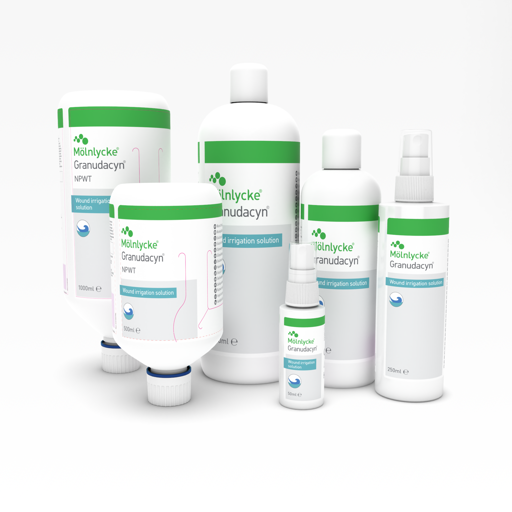
Shorter healing time with Granudacyn
Read about latest RCT showing significantly shorter average healing time with Granudacyn compared with normal saline (18.7 vs 21.0 days), with improved epithelialisation from day 154.
-
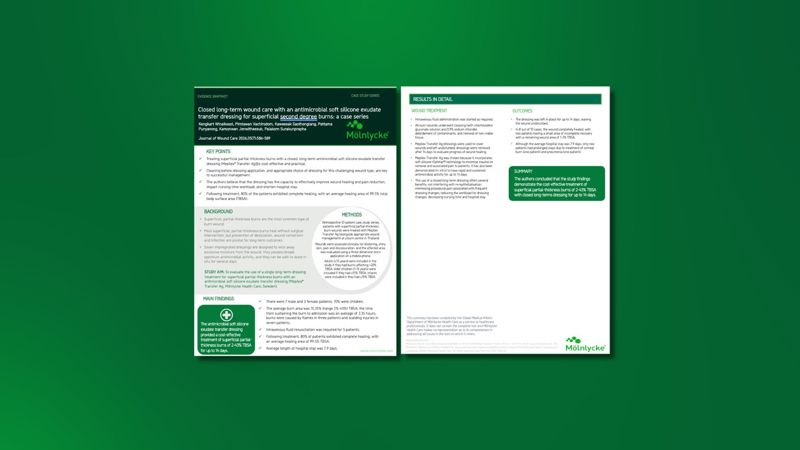
Mepilex Transfer Ag: 10 patient cases
Read about 10 patient cases of superficial partial-thickness burns treated with Mepilex Transfer Ag for up to 14 days, with 8/10 patients achieving complete healing5.
Discover our products to support gentle burn healing
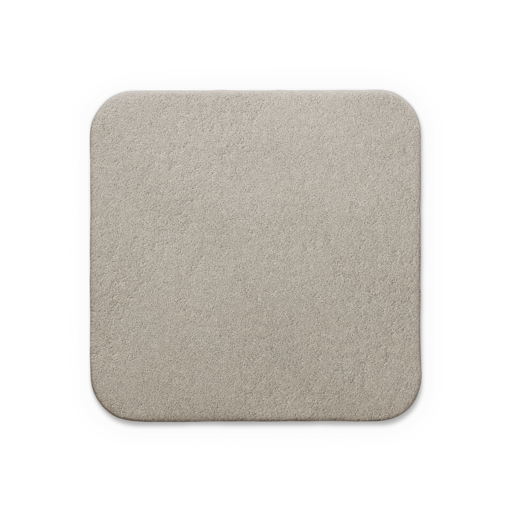
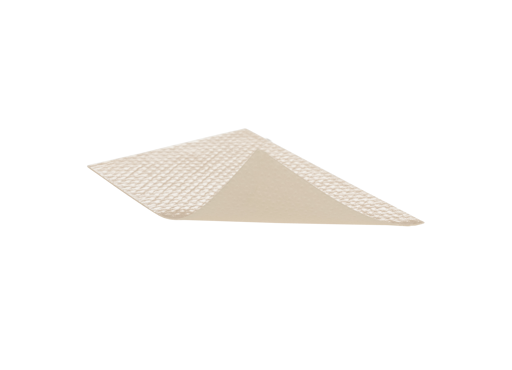
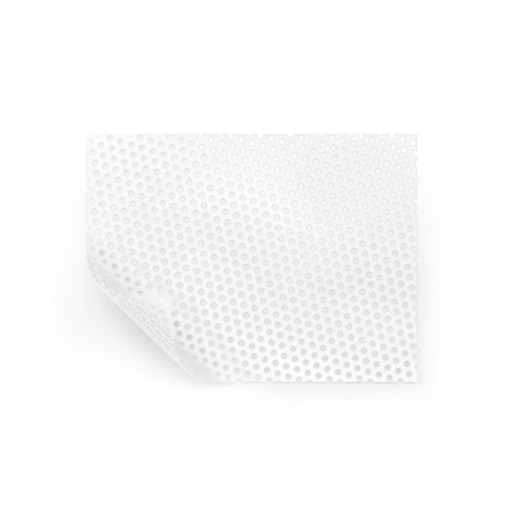
Pain reduction enabled by Safetac® technology
-
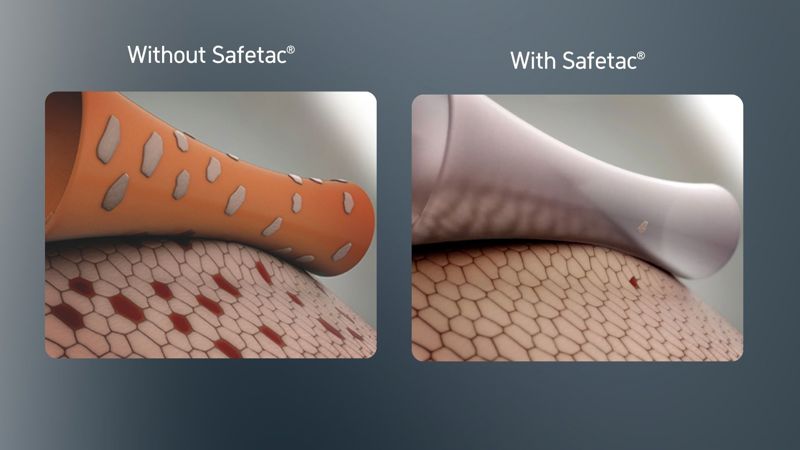
Designed for gentle dressing changes
Safetac® is the original less-pain contact layer with silicone adhesion. It moulds softly to the skin without sticking to the moist wound and it can be easily removed without damaging the wound or skin6,10,12. That means less pain for your patients6,11,13. Safetac also protects new tissue and intact skin – so wounds remain undisturbed to support faster natural healing. Read more about Safetac here.
Product selection guide / Guia de seleção de produto
-
References
- Jenkins M and Johnson C. Management of burns. Surgery 2024
- Opriessnig E et al. Epidemiology of burn injury and the ideal dressing in global burn care – Regional differences explored. Burns, 2023
- World Health Organization. Burns. 13 October, 2023
- Namviriyachote N, et al. Burns Open, 2026
- Winaikosol K, et al. J Wound Care, 2026.
- Silverstein P. et al. An open, parallel, randomized, comparative, multicenter study to evaluate the cost-effectiveness, performance, tolerance, and safety of a silver-containing soft silicone foam. Journal of Burn Care and Research, 2011.
- Gee Kee E.L. et al. Randomized controlled trial of three burns dressings for partial thickness burns in children. Burns, 2015.
- Gee Kee EL, Stockton K, Kimble RM et al. Cost-effectiveness of silver dressings for paediatric partial thickness burns: An economic evaluation from a randomized controlled trial. Burns 2017, 43(4): 724-732.
- Aggarwala S, Harish V, Roberts S et al. Treatment of partial thickness burns: a prospective, randomisedcontrolled trial comparing Biobrane, Acticoat, Mepilex Ag and Aquacel Ag. J Burn Care Res 2020, 42(5): 934-43.
- Van Overschelde, P. et al. A randomised controlled trial comparing two wound dressings used after elective hip and knee arthroplasty. Poster presentation at 5th Congress of the WUWHS, Florence, Italy, 2016.
- Tang H, Lv G, Fu J et al. An open, parallel, randomized, comparative, multicenter investigation evaluating the efficacy and tolerability of Mepilex Ag versus silver sulfadiazine in the treatment of deep partial-thickness burn injuries. J Trauma Acute Care Surg 2015, 78(5): 1000-1007.
- Upton D, Solowiej K. Pain and stress as contributors to delayed wound healing. Wound Practice and Research 2010, 18(3): 114-122.
- David F. et al. A randomised, controlled, non-inferiority trial comparing the performance of a soft silicone-coated wound contact layer (Mepitel One) with a lipidocolloid wound contact layer (UrgoTul) in the treatment of acute wounds. International Wound Journal, 2017.
- Patton M.L. et al.. An open, prospective, randomized pilot investigation evaluating pain with the use of a soft silicone wound contact layer vs bridal veil and staples on split thickness skin grafts as a primary dressing. Journal of burn care & research, 2013
- Bredow J. et al. Evaluation of Absorbent Versus Conventional Wound Dressing. A Randomized Controlled Study in Orthopedic Surgery. Deutsche Arzteblatt International, 2018.
Related articles
Read all-
Ver video
Artículo|6 min de lectura Oxigenoterapia tópica con Granulox®
- Úlceras en el pie diabético
-
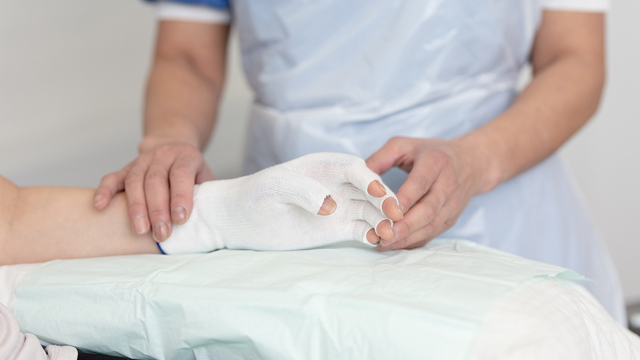
Artículo|2 min de lectura Medidas de prevención y primeros auxilios para quemaduras
Las quemaduras ocurren todos los días en todo el mundo. Pero la mayoría de las quemaduras se pueden prevenir, y al conocer la mejor manera de tratar una quemadura con primeros auxilios, a menudo es posible reducir su gravedad.
- Tratamiento de quemaduras
-
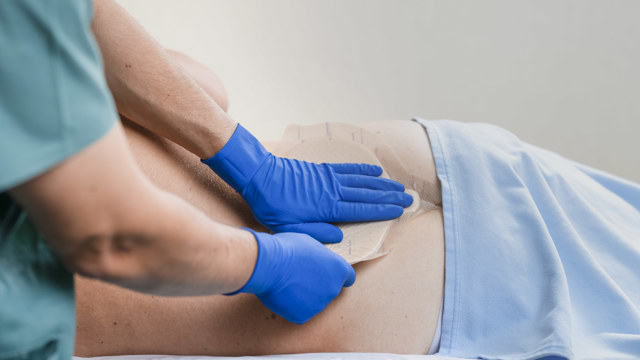
Artículo|2 min de lectura Tratamiento de las úlceras por presión
Es esencial que, en el caso de un paciente con úlcera por presión, se realice una evaluación del riesgo de úlcera por presión utilizando una escala de evaluación de riesgos validada. Esto debe hacerse de forma continua.
- Manejo de lesiones por presión
-
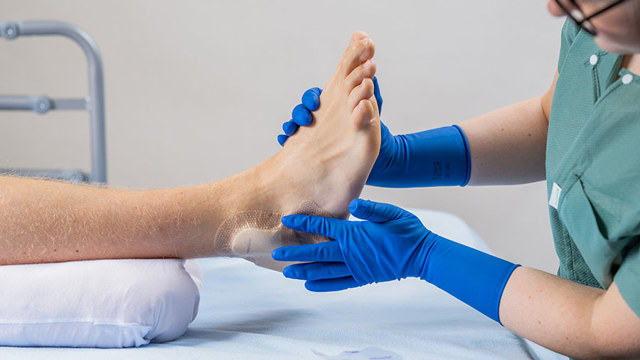
Artículo|4 min de lectura Evaluación y estadificación de la herida por úlcera por presión*
La evaluación de la gravedad de las úlceras por presión se basa en el sistema internacional de clasificación de úlceras por presión NPIAP/EPUAP y requiere que el médico determine la profundidad de la lesión basándose en la inspección visual de la herida.
- Manejo de lesiones por presión
-

Artículo|3 min de lectura Etiología de las úlceras por presión*
El desarrollo de una úlcera por presión es una interacción compleja entre factores extrínsecos (ambiente) e intrínsecos (relacionados con el paciente).
- Manejo de lesiones por presión
-

Artículo|2 min de lectura Panel Internacional de Expertos en Tecnología de Apósitos para Heridas
Descargo de responsabilidad: La investigación descrita en este sitio web ha sido o está siendo realizada por miembros del Panel Internacional de Expertos en Tecnología de Apósitos para Heridas (iWDTEP). El iWDTEP está formado por consultores pagados por Mölnlycke Health Care AB (Gotemburgo, Suecia). Mölnlycke no ha controlado (ni regulado) la investigación llevada a cabo por los miembros del iWDTEP.
- Gestión de exudatos
-
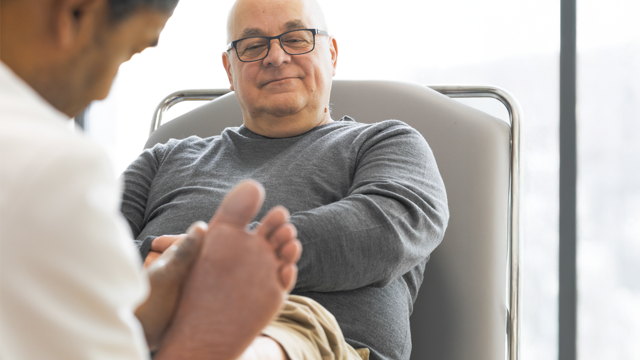
Artículo|5 min de lectura Úlceras del pie diabético: tratamiento, gestión y cuidados
Examinar cómo se diagnostican y tratan las úlceras del pie diabético, adoptando un enfoque holístico de la herida y las necesidades individuales del paciente.
- Úlceras en el pie diabético
-

Artículo|5 min de lectura Úlceras del pie diabético: causas, riesgos y epidemiología
Examinar las causas, los factores de riesgo y la epidemiología de las úlceras del pie diabético (UPD), una complicación grave de la diabetes, y los enfoques para la prevención y el tratamiento.
- Úlceras en el pie diabético
-
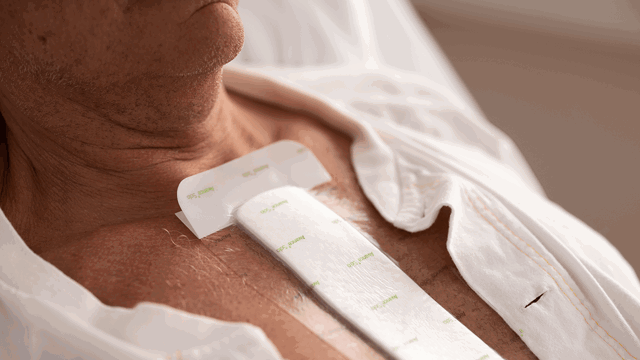
Artículo|7 min de lectura Apósitos postquirúrgicos para una cicatrización sin interrupciones
Los resultados quirúrgicos exitosos dependen de los cuidados postoperatorios adecuados, la cicatrización sin interrupciones y la elección del apósito postoperatorio. La atención quirúrgica no termina cuando termina la cirugía. ¿Qué puede hacer el apósito postoperatorio y el protocolo de apósito para ayudar a optimizar la cicatrización?
- Cuidado de la incisión